

Experiences
Come Closer to Iraq
A boat through the marshes. A morning among Baghdad’s booksellers. A walk through ancient Ur. Each experience offers a different way to know Iraq, through the places you visit, the people you meet and the stories that stay with you
These experiences can be included in a Visit Iraq journey. We’ll confirm availability, timing and any additional costs in your proposal
Crafts & Culture
A Street Made of Stories
Baghdad · Al-Mutanabbi StreetHalf day
Some streets are meant to be wandered slowly. Among booksellers, tea glasses, and conversation, discover the literary heart of Baghdad.
There is a street in Baghdad where books have always meant more than words on a page.
On Al-Mutanabbi Street, literature, conversation, and everyday life come together. It is a place to explore slowly, where every bookshop has something to discover.
A Street with a Story
For generations, Al-Mutanabbi Street has brought together writers, readers, poets, and thinkers.
Its booksellers are part of Baghdad's cultural identity, keeping the city's relationship with literature alive through the books they collect, share, and discuss.
Between the Bookshelves
Wander among the bookshops and outdoor displays, where you might find everything from contemporary Iraqi writing to old editions of history, poetry, and philosophy.
Take your time. Here, a simple question about a book can turn into a conversation.
Tea at Al-Shabandar
Nearby stands Al-Shabandar Café, one of Baghdad's best-known historic coffeehouses.
Old photographs line its walls, carrying memories of the city's past. A glass of Iraqi tea offers a quieter moment to experience the traditions that continue to make this place special.
The Baghdad You Come to Know
This experience is not simply about visiting a famous street.
It is about meeting Baghdad through its stories, its people, and the conversations that bring them together.

Nature & Adventure
Where the Water Leads
Chibayish · Mesopotamian MarshesHalf day
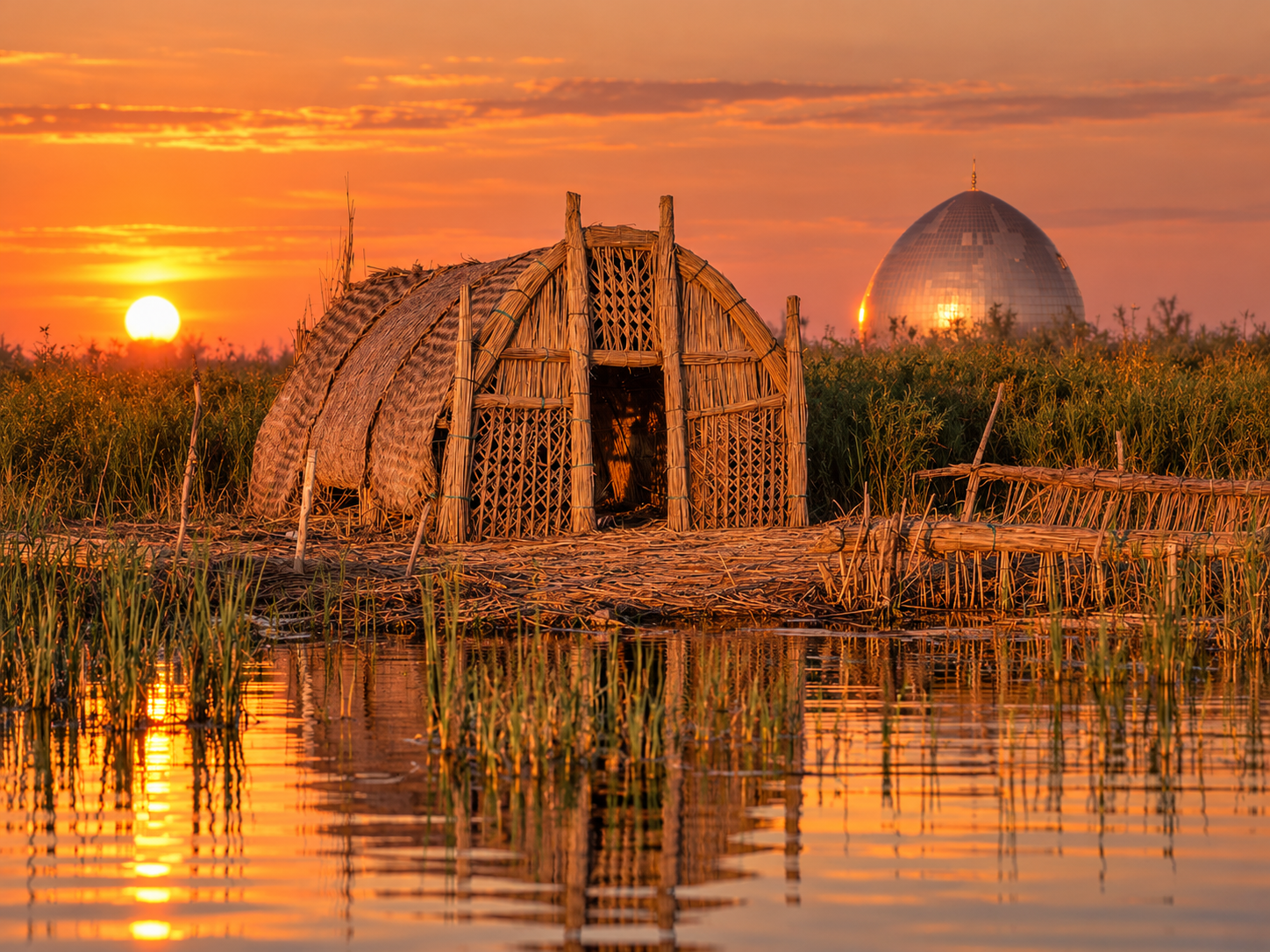
The boat moves quietly. Reeds rise on either side. Discover the Mesopotamian Marshes from the water, at a pace set by nature.
The water stretches ahead, the reeds rise around you, and the noise of the outside world begins to fade.
In the Mesopotamian Marshes, the journey is as much about the surroundings as the destination.
Into the Reeds
Step aboard a traditional wooden mashoof and follow the waterways through one of Iraq's most remarkable natural landscapes.
Narrow reed channels open onto wider stretches of water, creating a world that feels very different from the country's busy cities.
Life Shaped by Water
The marshes are more than a landscape.
They are home to communities whose lives, traditions, and knowledge have long been connected to the waterways, reed beds, and changing natural environment.
A Different Pace
There is no need to hurry through a place like this.
Watch the reflections, listen to the sounds around you, and experience a quieter side of Iraq through the simple movement of a boat across the water.
Food & Drink
A Place at the Table
Chibayish · Mesopotamian Marshes1–2 hours
Hospitality here begins with an invitation. Share a traditional meal and discover the warmth, traditions, and stories of southern Iraq.
Sometimes, understanding a place begins with sitting down together.
In the Mesopotamian Marshes, hospitality is part of a way of life shaped by generations of community, shared traditions, and a close relationship with the land and water.
Inside the Mudhif
A mudhif is a traditional gathering place built from reeds, using architectural knowledge passed down through generations.
Its distinctive structure reflects the traditions of the Marsh Arab communities and the importance of welcoming guests.
Food That Brings People Together
Share a meal of masgouf, Iraq's traditional grilled river fish, prepared and served as part of a local hospitality experience.
Food offers a way to encounter a place through its flavours, customs, and the people who prepare it.
The Meaning of Welcome
Hospitality is not only about what is served.
It is found in the conversations, generosity, and moments shared around the table.
This is an opportunity to experience the human traditions that make southern Iraq memorable.

Faith & Heritage
Walking Through Babylon
Babylon · Babil GovernorateHalf day
There was a time when Babylon stood at the centre of an empire. Walk through its ancient remains and discover the stories still held within its walls.
Few places carry a name as familiar as Babylon.
Once one of the great cities of the ancient world, Babylon remains a place where the scale of Mesopotamian history can be experienced through the architecture and archaeological remains that survive today.
A City That Shaped History
Babylon became a centre of political power, culture, and architecture, particularly during the reign of Nebuchadnezzar II.
Its history reveals the ambitions of rulers and the achievements of the people who lived in one of the ancient world's most influential cities.
Walking Through the Remains
Explore the archaeological site, including reconstructed sections of the Processional Way, ancient walls, and palace remains.
The surviving and reconstructed structures help visitors understand the city's former scale while revealing how much has changed over thousands of years.
Beyond the Legends
Babylon is often remembered through stories of extraordinary monuments, powerful kings, and legendary gardens.
Here, those stories meet the archaeological evidence, offering a deeper understanding of the real city behind one of history's most recognizable names.
Faith & Heritage
In the Footsteps of Sumer
Ur · Dhi Qar Governorate1–2 hours
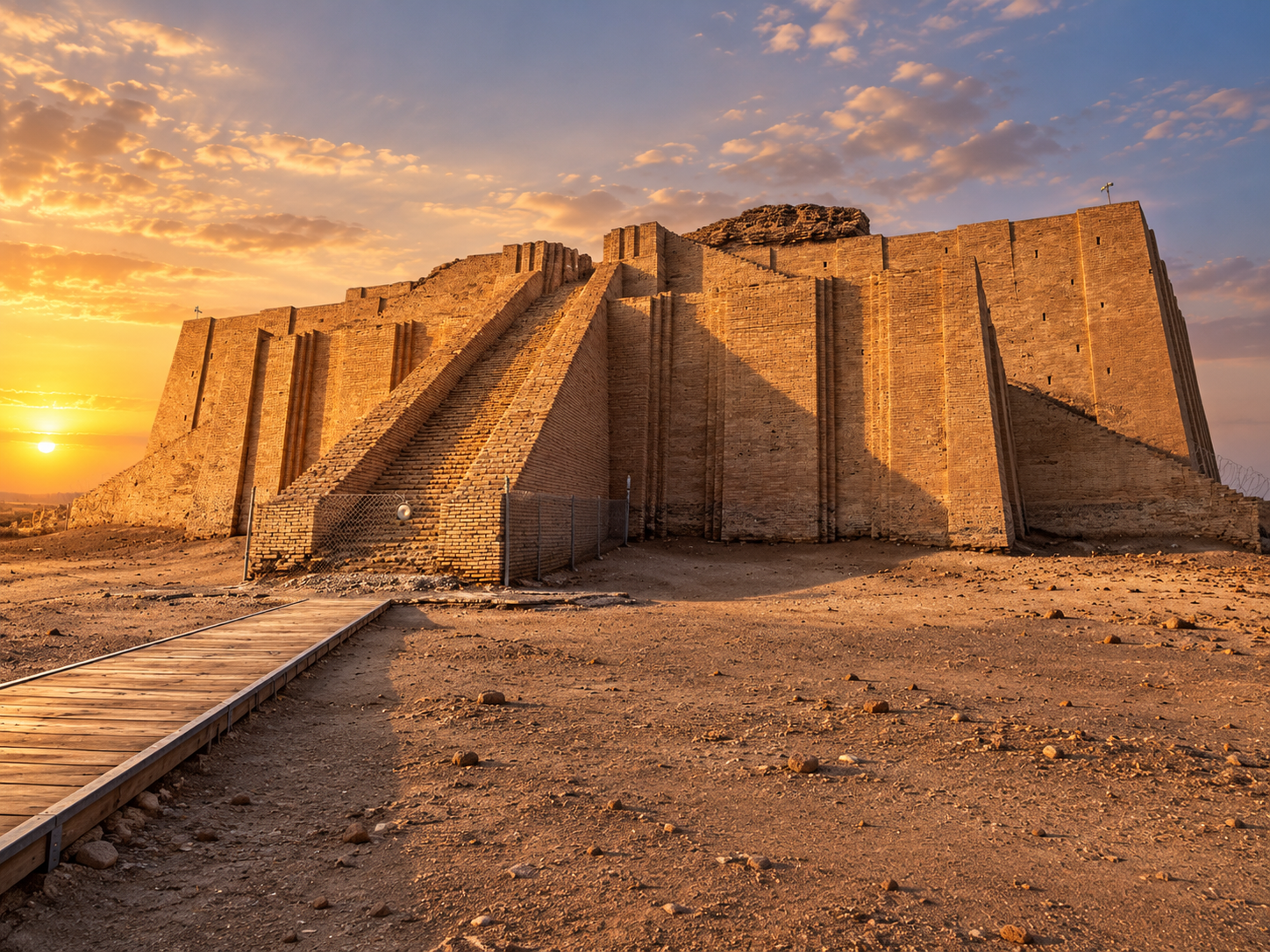
Before so much of the world we know, there was Sumer. Stand before the Ziggurat of Ur, where thousands of years of history become something you can see and feel.
Long before the modern world took shape, cities were growing across the plains of southern Mesopotamia.
Among them was Ur, an important centre of Sumerian civilization whose remains continue to reveal the lives and achievements of its ancient inhabitants.
The City of Ur
Ur was once a thriving city connected to trade, religion, and the development of urban society.
Its archaeological remains tell the story of a civilization that contributed to writing, architecture, administration, and many of the foundations of organized city life.
The Great Ziggurat
Rising above the archaeological landscape is the Ziggurat of Ur, one of the most recognizable monuments of ancient Mesopotamia.
Built as part of a sacred complex, its enormous brick structure offers a remarkable view into the architecture and religious traditions of the Sumerian world.
Looking Back Thousands of Years
Standing before the ziggurat brings the scale of history into perspective.
Here, the remains of an ancient city offer a tangible connection to the people who lived, worked, worshipped, and built their world thousands of years before us.
Faith & Heritage
Places of Devotion
Karbala · Kufa · NajafFlexible · Multiple locations
Faith is part of Iraq's living identity. Discover the sacred places, traditions, and centuries of remembrance that continue to shape its holy cities.
Across Iraq, faith is more than a part of history. It continues to shape cities, communities, traditions, and everyday life.
In Karbala, Kufa, and Najaf, sacred places carry centuries of religious significance and remain important centres of pilgrimage and spiritual life.
Karbala: A City of Remembrance
Karbala holds profound significance in Shia Islam.
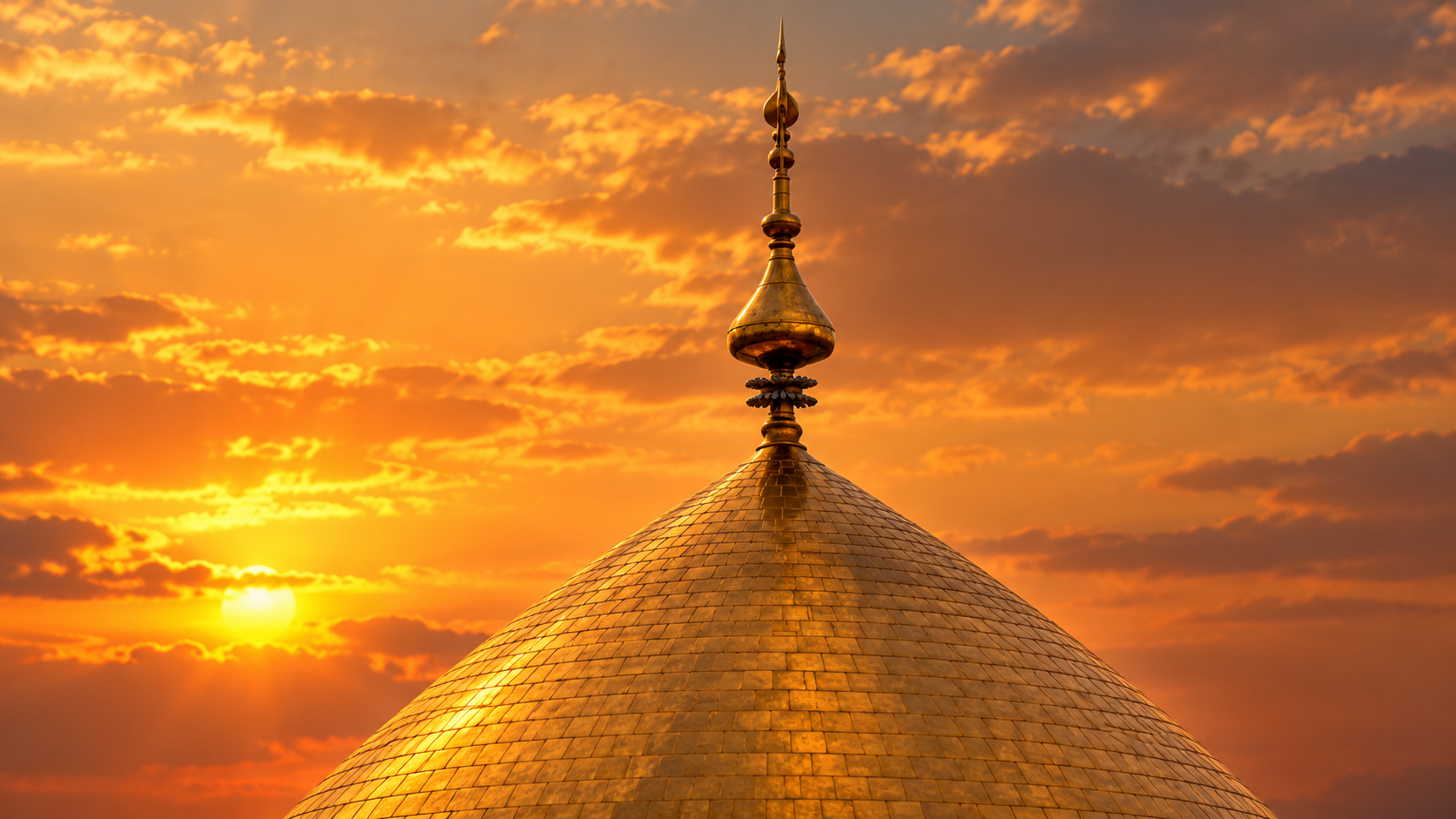
The shrines of Imam Hussein and Al-Abbas stand at the heart of a city shaped by remembrance, devotion, and religious traditions that bring pilgrims from around the world.
Kufa: History and Faith
The Great Mosque of Kufa is closely connected to the early history of Islam.
Its architecture and religious significance offer an opportunity to learn about the people, events, and traditions associated with this historic city.
Najaf: A Place of Learning and Devotion
Najaf is home to the Shrine of Imam Ali, one of the most important sacred sites in Shia Islam.
The city is also known for its long tradition of religious scholarship and the vast Wadi Al-Salam cemetery, which carries centuries of personal and communal memory.
Visiting with Respect
These are living sacred places, not simply historical monuments.
Experiencing them means approaching their traditions, customs, and communities with understanding and respect.
Crafts & Culture
The Streets of Mosul
Mosul · Nineveh GovernorateHalf day
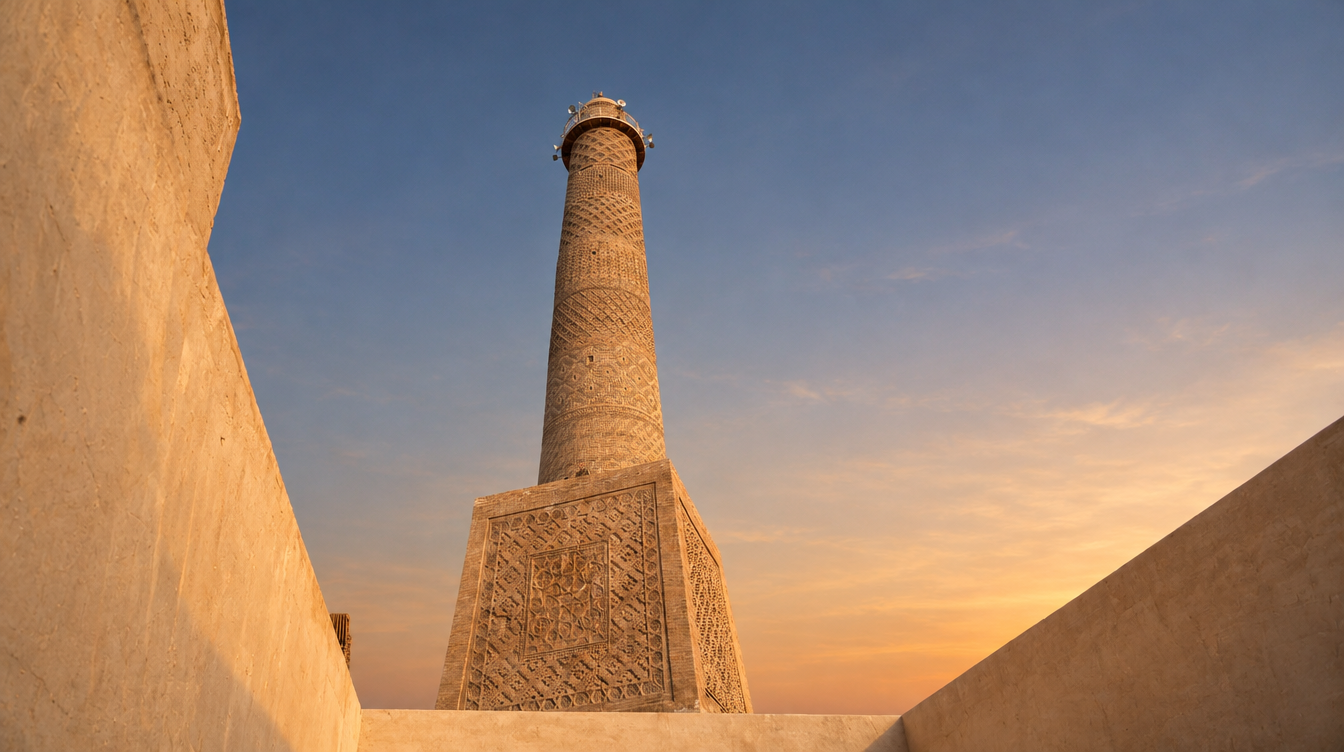
A city is more than its buildings. Walk through Mosul's historic streets and discover the lives, memories, and heritage that continue to give the city its character.
Mosul has always been a city of many stories.
Standing along the Tigris, it developed through centuries of trade, cultural exchange, and the lives of communities whose traditions helped shape its identity.
A City of Many Voices
Mosul's history reflects a remarkable meeting of cultures, languages, and religious traditions.
Its identity has been shaped by generations of people, leaving traces in its architecture, neighbourhoods, craftsmanship, and everyday customs.
Through the Old Streets
Explore historic neighbourhoods where traditional buildings, religious landmarks, and old market streets reveal different chapters of the city's history.
Some places have been restored, while others still carry visible signs of the changes the city has experienced.
The Life That Continues
Mosul cannot be understood through its monuments alone.
Its markets, neighbourhoods, residents, and daily routines reveal a city with a living identity that continues to develop.
This is an invitation to encounter Mosul through both its heritage and the people who call it home.

Crafts & Culture
Made by Hand
Baghdad · Souq al-Safafeer1–2 hours
Before you see the finished copper, you hear the hammer. Meet the craftsmanship and traditions that remain part of Baghdad's everyday life.
In the old markets of Baghdad, some traditions are heard before they are seen.
Follow the sound of copper being worked by hand into Souq al-Safafeer, a market whose craft has been passed from one generation to another.
The Sound of the Market
The rhythm of a hammer against metal is part of the market's identity.
Among its small workshops and displays, copper takes different forms, from household objects to beautifully decorated trays and traditional vessels.
Behind Every Piece
Each finished object carries the time, patience, and skill of the person who made it.
Watch craftspeople at work where workshops are operating, and learn about the techniques and knowledge that continue to shape this tradition.
A Living Craft
Souq al-Safafeer is more than a place to browse traditional goods.
It offers a chance to see how craftsmanship remains connected to Baghdad's people, its history, and its everyday cultural life.

Faith & Heritage
The Sacred Valley
Lalish · Duhok Governorate1–2 hours
Some places invite you to listen before anything else. Discover Lalish and the heritage, traditions, and spiritual life of the Yazidi community.
Among the hills of northern Iraq lies Lalish, a place of profound spiritual importance to the Yazidi community.
Surrounded by a peaceful valley, this sacred sanctuary carries centuries of religious tradition, memory, and cultural identity.
A Place of Deep Significance
Lalish is the holiest sanctuary of the Yazidi faith and is closely associated with Sheikh Adi ibn Musafir.
For Yazidis, the valley holds religious meaning that reaches far beyond its physical surroundings.
Architecture and Tradition
The sanctuary's distinctive conical spires, stone buildings, courtyards, and pathways form part of a sacred landscape.
Discover the meaning of these spaces while learning about the beliefs, customs, and traditions connected to the Yazidi community.
Entering with Respect
Lalish is a living place of worship and pilgrimage.
Visitors are expected to respect its customs, sacred spaces, and the people who care for them.
Experiencing Lalish is an opportunity to learn about one of Iraq's important religious communities with understanding and sensitivity.

Crafts & Culture
Among the Stalls of Qaysari
Erbil · Qaysari Bazaar1–2 hours
Follow the colours, sounds, and conversations. In Erbil's historic Qaysari Bazaar, discover a place where trade, tradition, and everyday life come together.
In the heart of Erbil, the Qaysari Bazaar brings together the rhythms of a historic market and the energy of everyday life.
Its narrow passageways, busy shops, and generations of trade offer a different way to experience the city's cultural identity.
Inside the Bazaar
Walk through the market's covered passages, where stalls display textiles, spices, sweets, clothing, and traditional goods.
Every corner offers something different, from everyday necessities to objects connected to the region's cultural traditions.
The People of the Market
A market is shaped as much by its people as by the things being sold.
Listen to the conversations between merchants and customers, discover local products, and observe the everyday exchanges that keep the bazaar alive.
A Part of Erbil's Identity
Qaysari is more than a place to shop.
It is part of the city's social and cultural life, where long-established traditions continue alongside the routines of modern Erbil.
Sometimes, wandering through a market reveals more about a city than any single landmark.
MAKE IT PERSONAL
Let the Moments Shape Your Journey
Some experiences are planned. Others happen when you give a place enough time. Tell us what interests you, and we’ll help you explore how those experiences might become part of your journey through Iraq
Start a Conversation
A question about Iraq, an idea for a journey, or something you'd like to explore? Write to us. Our team will reply by email.