
In short
Ashur is an ancient Assyrian city on the Tigris in Iraq’s Salah al-Din Governorate. It served as an early capital and a lasting religious centre, and its archaeological landscape still connects temples, public buildings and the river below. A visit calls for time to read the ground with a guide and to understand why the city mattered even after political power moved elsewhere.
At a Glance
| Nearest city | Qal'at Sherqat |
|---|---|
| Type | Archaeological site |
| Period | UNESCO World Heritage, Assyria, Tigris, Archaeology |
| UNESCO inscription | Inscribed on the World Heritage List in 2003. |
| Assyrian role | First Assyrian capital from the 14th to the 9th centuries BCE. |
On the west bank of the Tigris in Salah al-Din Governorate, Ashur was a religious and political heart of ancient Assyria.
The city shared its name with its principal god, and its temples remained important even as royal power moved to other capitals.
Today, the UNESCO World Heritage Site offers a way to place that long history within its river landscape.
What to see
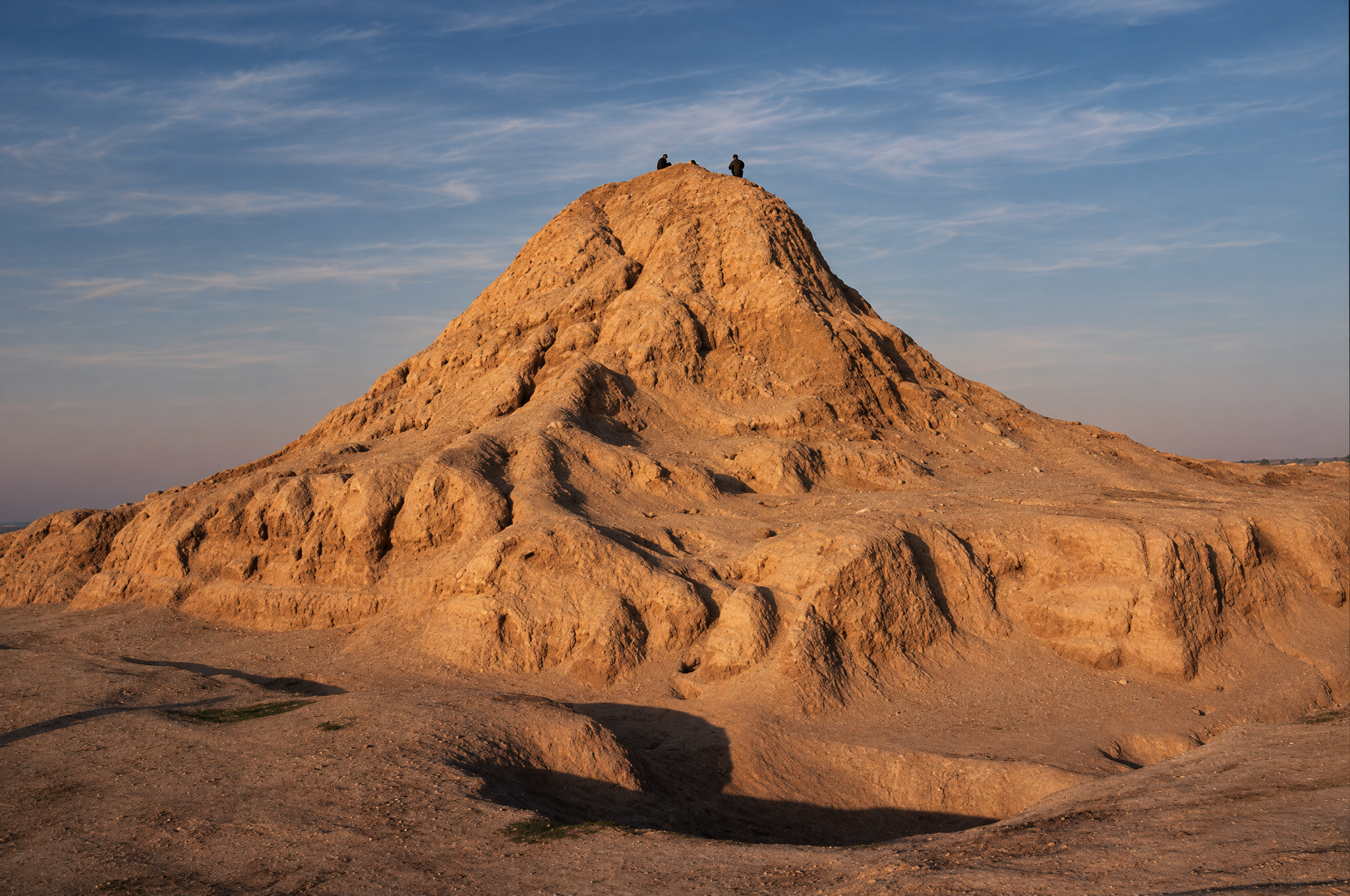
The surviving archaeological landscape includes the ziggurat area, temple remains and traces of the city's public buildings.
Look at the relationship between the raised ground and the Tigris below.
A cultural guide can explain how worship, administration and trade shaped a city whose significance extended far beyond its walls.
Planning your visit
Allow a few hours at the site, with additional time for the road journey.
Spring and autumn are comfortable for exploring the exposed remains.
Confirm access and the areas available to explore before travelling.
Wear suitable shoes, bring water and leave fragile brickwork undisturbed.
Ashur can form part of a wider route through Tikrit and Samarra, with each stop given its own time. Visit Iraq can help you fit Ashur into a Tigris route and check which parts of the site can be visited on your dates.


