
Key facts
| Nearest city | Basra |
|---|---|
| Type | Governorate |
| Period | Shatt Al-Arab, Southern Iraq, Rivers, Date Palms, Shanasheel, Maritime Heritage, Poetry, Culture, Markets, Waterfront, Abu Al-Khasib, Al-Faw, Local Life, Iraqi Food |
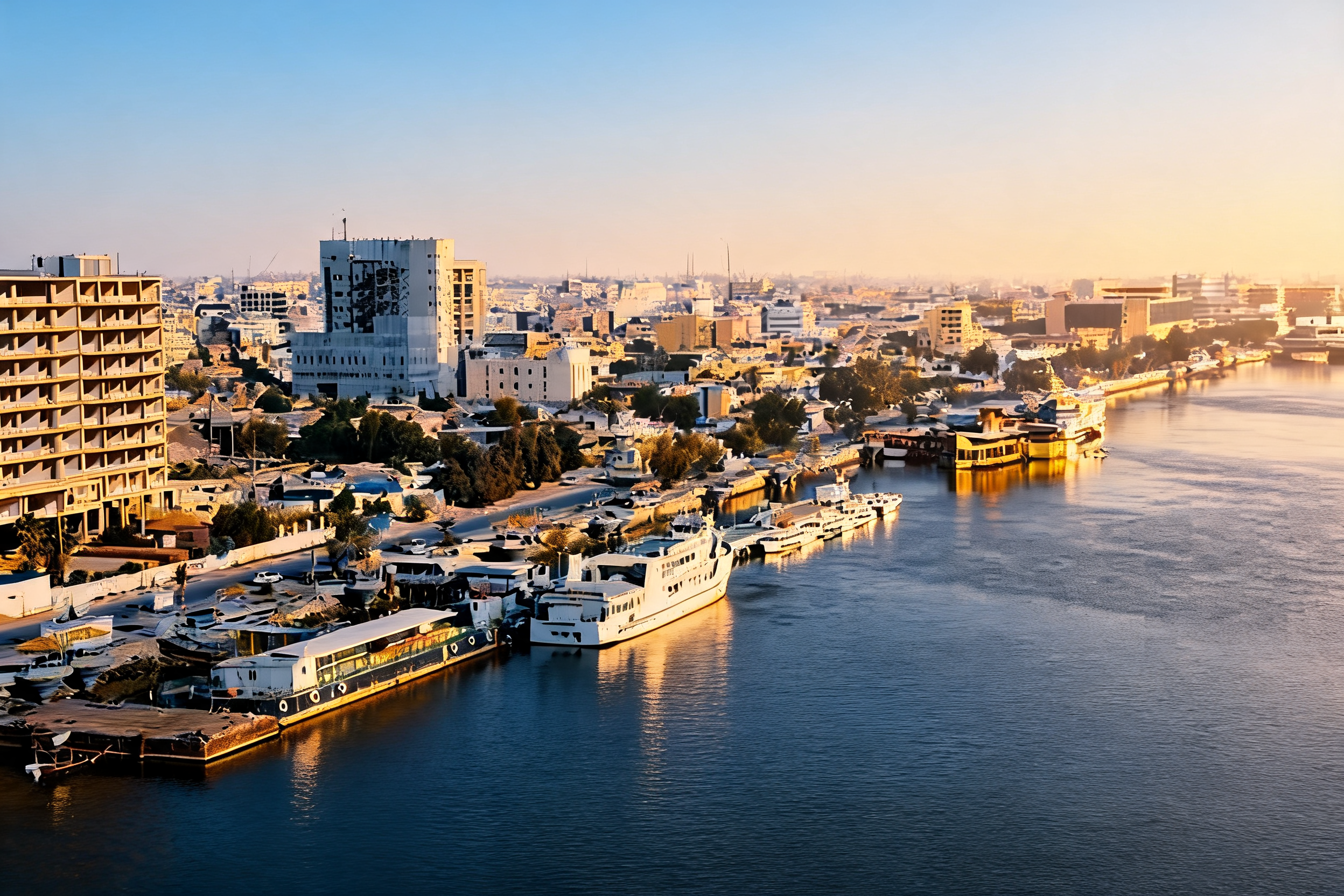
Basra is a city shaped by water, trade and the people who have lived along its rivers for generations. On the banks of the Shatt al-Arab, boats move past palm-lined neighbourhoods, families gather along the Basra Corniche, and the city continues its long relationship with the waterways of southern Iraq.
In the historic districts of Al-Ashar and Old Basra, traditional shanasheel houses reveal another side of the city's architectural heritage. Their wooden balconies overlook narrow streets that once connected merchants, families and communities from across the region.
Basra is also a city of poetry, literature and food. The legacy of Badr Shakir al-Sayyab remains closely connected to its cultural identity, while local markets, cafés and riverside restaurants reflect everyday life.
Beyond the city, Abu al-Khasib is known for its date palms and waterways. Further north, Al-Qurnah marks the meeting of the Tigris and Euphrates, while the Al-Faw Peninsula extends towards the Gulf.
From its historic streets to its contemporary neighbourhoods, Basra offers a different introduction to Iraq, one shaped by the river, its people and the traditions of the south. Visit Iraq can arrange a guide for Old Basra and leave time for the Corniche or the palm growing districts along the river.


