In short
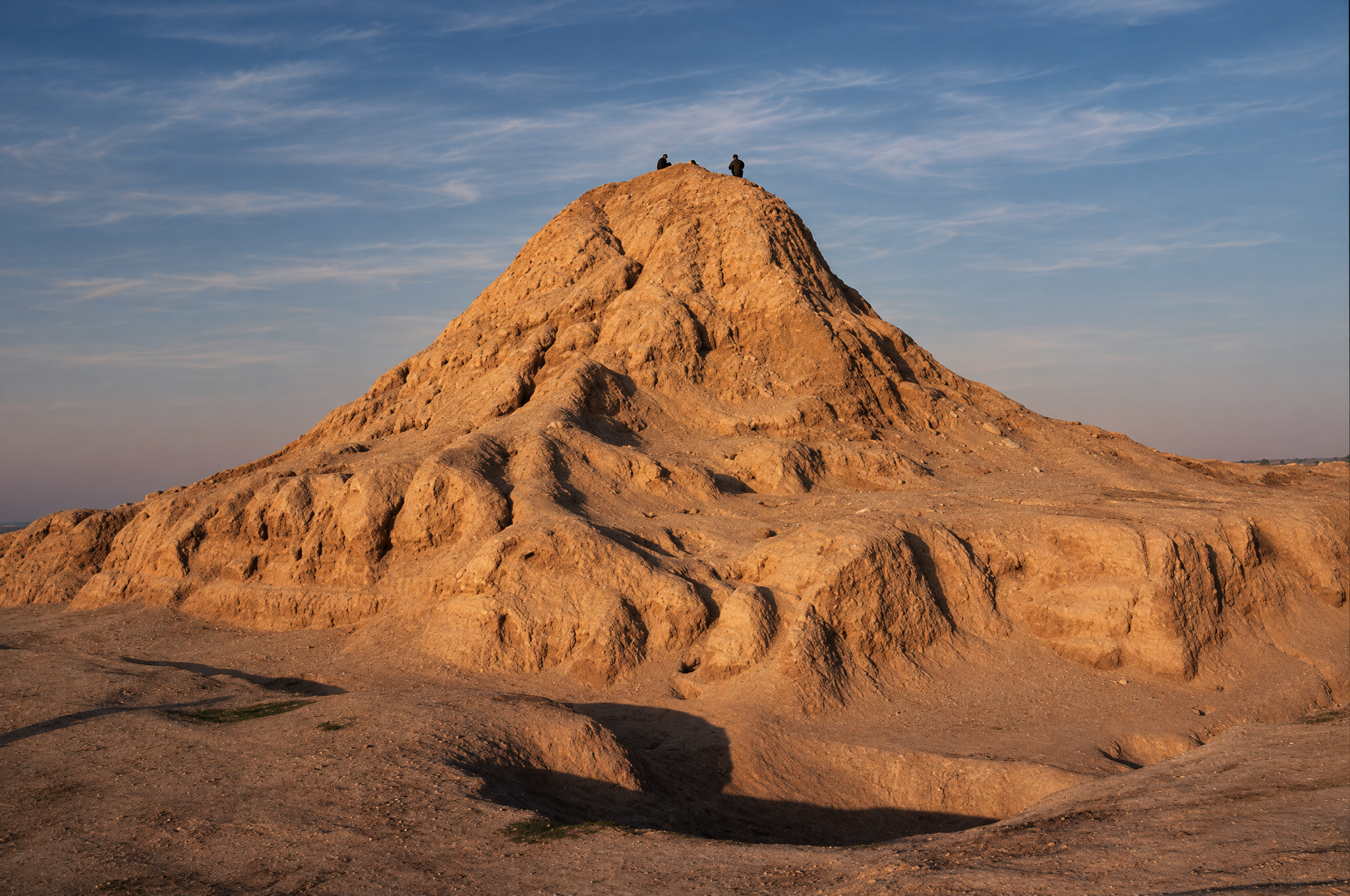
Abu Dulaf Mosque stands north of Samarra in Salah al-Din Governorate. Its surviving plan and spiral minaret belong to the Abbasid archaeological city. UNESCO identifies the mosque as part of the Samarra World Heritage property. It is a separate monument from the Great Mosque of Samarra, and its fragile remains require care and current local guidance when planning a visit.
At a Glance
| Nearest city | Near Samarra |
|---|---|
| Type | Archaeological site |
| Period | Signature journey, Abbasid architecture, Samarra, Spiral minaret |
| Wider heritage property | Samarra Archaeological City, a UNESCO World Heritage Site |
| Architectural feature | A spiral minaret and remains of a large mosque plan |
The ancient site
Abu Dulaf Mosque belongs to the Abbasid archaeological landscape north of central Samarra. Its surviving mosque remains and spiral minaret offer a companion to the better-known Great Mosque and Malwiya, showing how large religious complexes formed part of the capital's design. The setting gives space to appreciate the building's plan and the relationship between the minaret and the enclosure. A guide can help connect the visible remains with the ambitions of the ninth-century city, while keeping the different mosque sites clear in the story.
Planning your visit
Arrange access before travelling and allow a separate stop with transfer time from central Samarra. The site should not be treated as simply another part of the same walking visit as the Great Mosque. Cooler months are comfortable for the open landscape. Wear suitable shoes, carry water and follow instructions around fragile remains or conservation areas. Confirm which routes can be explored and whether any parts are closed. Visit Iraq can include Abu Dulaf in a wider Samarra day, giving the monument enough time rather than fitting it between tightly timed road journeys.