In short
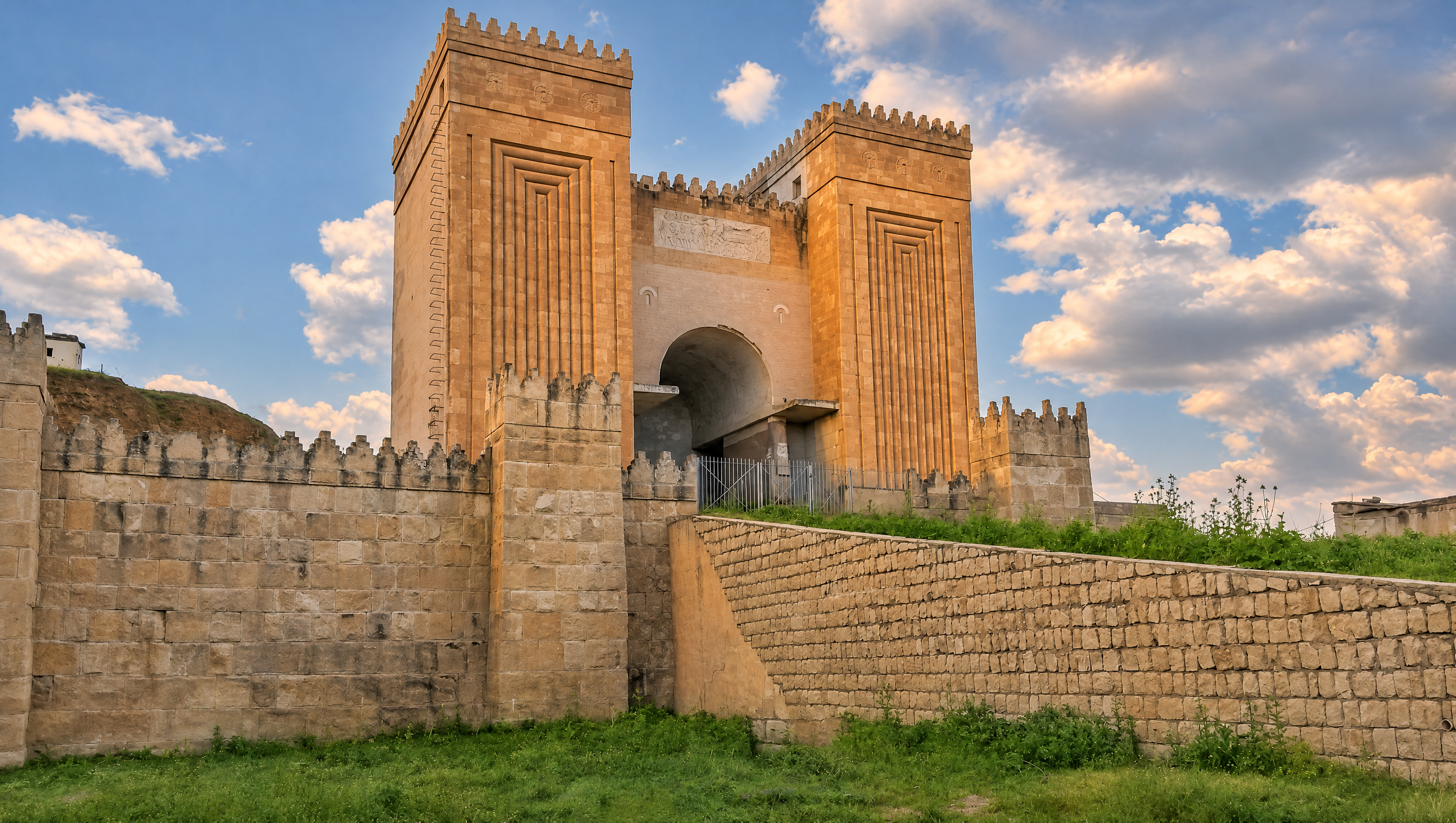
Nimrud is the site of ancient Kalhu, an Assyrian capital south of Mosul. Royal palaces, reliefs and sculpture made it one of the great centres of the empire. Its surviving remains need careful interpretation, because many excavated objects are in museums and the site suffered major damage in 2015. Nimrud appears on Iraq’s UNESCO Tentative List, which is distinct from World Heritage inscription.
At a Glance
| Nearest city | Nimrud |
|---|---|
| Type | Archaeological site |
| Period | Assyria, Kalhu, Ashurnasirpal II, Palaces |
| Ancient name | Kalhu, also known as Calah in historical sources. |
| UNESCO status | On Iraq’s Tentative List since 2000; not inscribed as World Heritage. |
South of Mosul in Nineveh Governorate, Nimrud marks the site of ancient Kalhu, a city transformed into an Assyrian royal capital by Ashurnasirpal II in the ninth century BC. Its palaces and sculpture helped express the power of the empire. The site is on Iraq's UNESCO Tentative List, and its surviving remains connect Assyrian history with the care of archaeological heritage.
What to see
The Northwest Palace area and the wider city mound provide a starting point for understanding the ancient layout. Nimrud is famous for reliefs, winged figures and royal discoveries, but many excavated objects are held in museums. The site suffered extensive destruction in 2015, so a visit should reflect what survives and which areas can actually be entered.
Planning your visit
Allow a few hours if a visit is authorised, with time for the journey from Mosul. Confirm access and the permitted route before adding Nimrud to your itinerary. A knowledgeable guide can distinguish surviving remains from features known through excavation records. Spring and autumn suit an outdoor archaeological route; bring water and follow all conservation instructions. Visit Iraq can check access at Nimrud before planning a day around the remains of ancient Kalhu.