
Key facts
| Nearest city | Mosul |
|---|---|
| Type | Archaeological site |
| Period | Assyria, Sennacherib, Mosul, Archaeology |
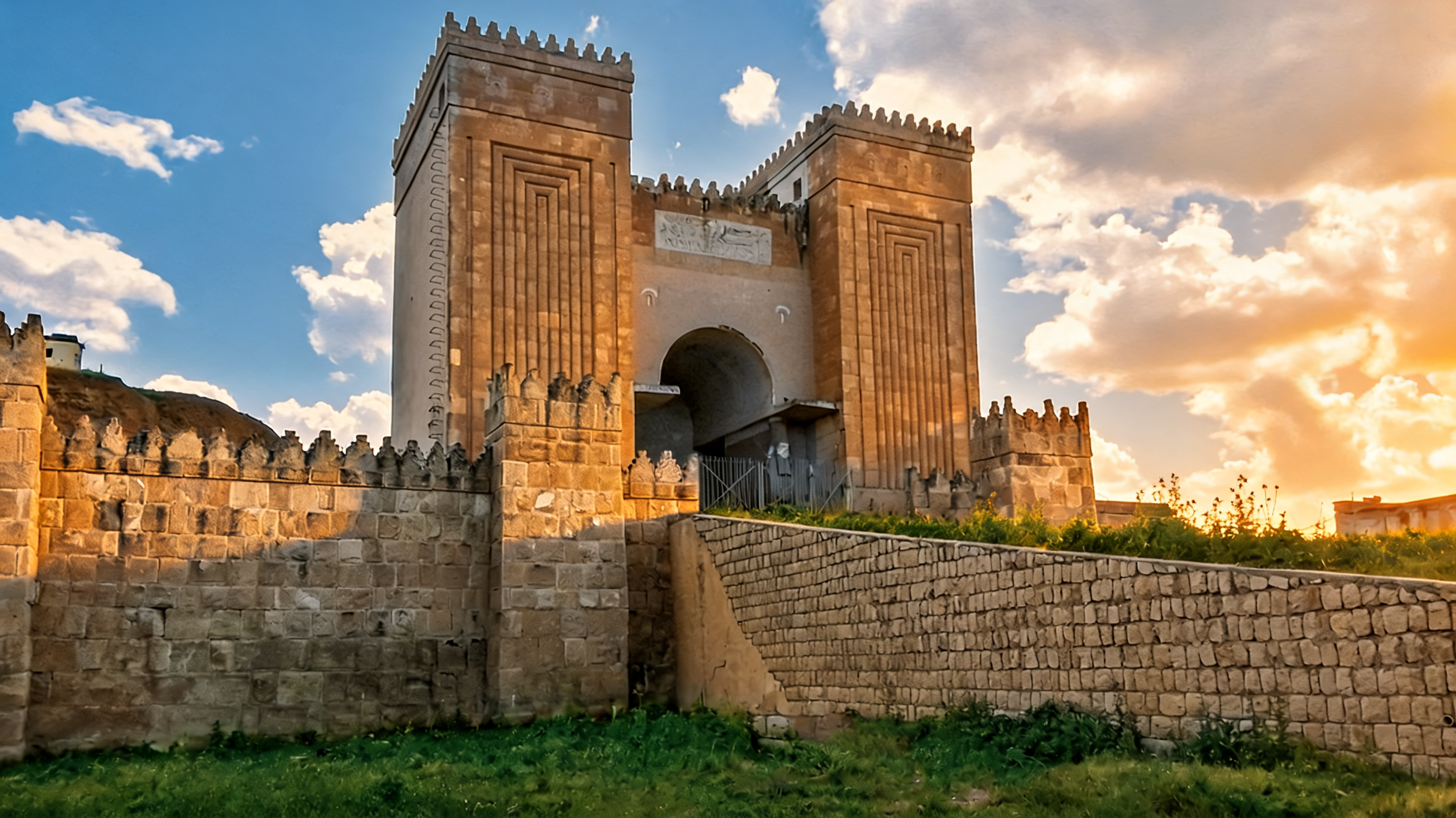
On the eastern side of Mosul, ancient Nineveh was one of the great capitals of the Assyrian Empire. Under Sennacherib, the city developed into an imperial centre whose palaces, walls and written records helped shape its lasting reputation. Today, the archaeological remains sit within a living city. Nineveh is on Iraq's UNESCO Tentative List, rather than the inscribed World Heritage List.
What to see
The mounds of Kuyunjik and Nebi Yunus, together with surviving or reconstructed sections of walls and gates, reveal different parts of the ancient landscape. Kuyunjik is associated with royal palaces and Ashurbanipal's library, whose tablets are largely held in the British Museum. A guide can explain those discoveries without suggesting that the library survives as a standing visitor building.
Planning your visit
Plan the visit around the specific areas that can be accessed, allowing time to travel between separate parts of the site. Confirm arrangements before setting out, particularly around excavation areas and religious places. Spring and autumn are generally comfortable for walking outdoors. Ancient Nineveh can complement time in Mosul's Old City, with each offering a distinct perspective on the history around the Tigris. Visit Iraq can help pair the mounds of Nineveh with a walk in Mosul, allowing for the journey between the two banks.


