Visiting Mosul: What to See and How to Plan Your Stay
Discover Mosul through its Old City, restored landmarks and ancient Nineveh, with practical ideas for planning your stay and a wider northern Iraq journey.
By Visit Iraq · Published · Updated · 5 min read

In short
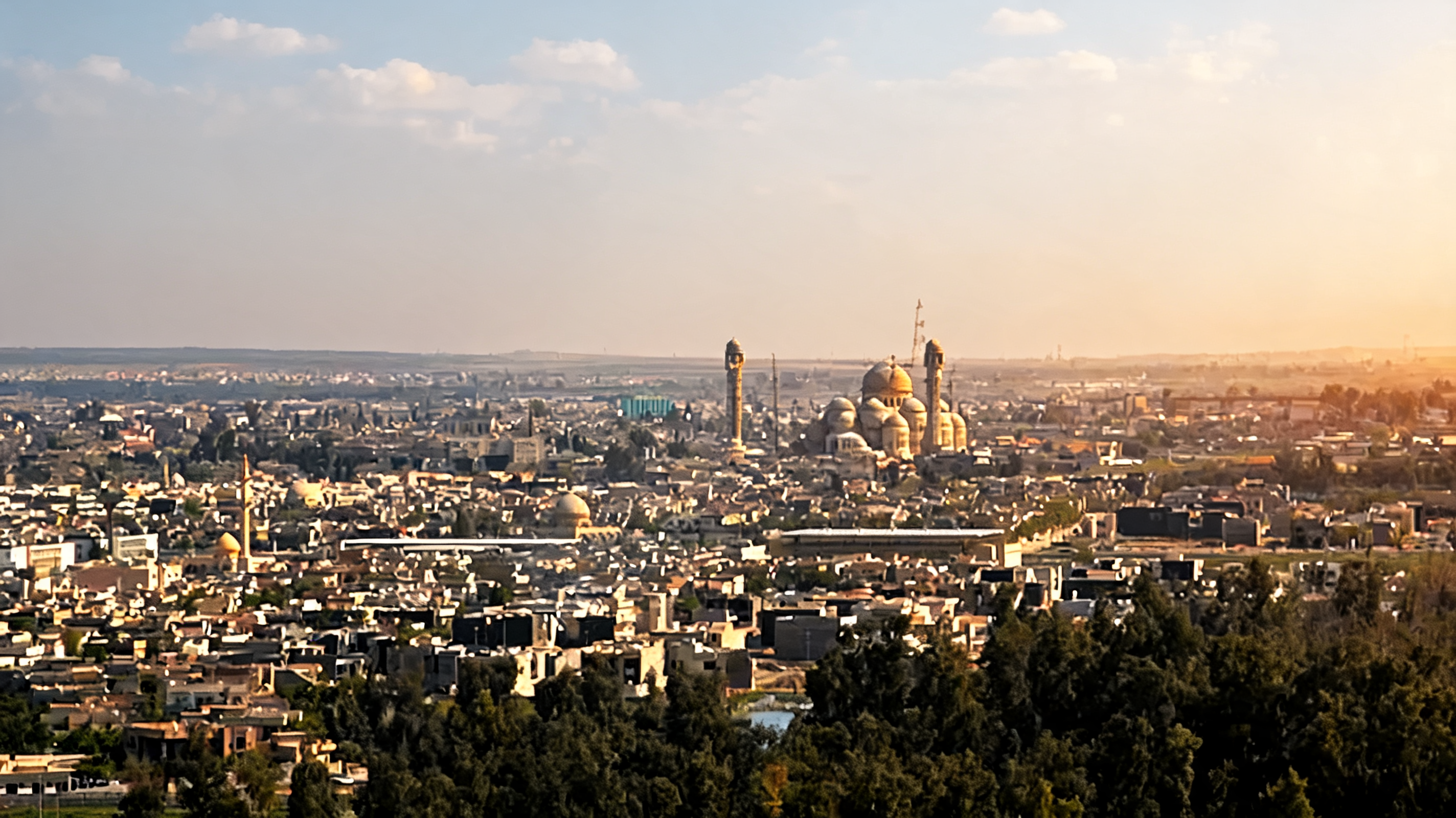
Visiting Mosul brings you into a city with layers of history along the Tigris. A visit can include the old city, places of worship, markets and the river, each with its own story. Choose a few areas that fit your time and check local access arrangements before setting out. Give the city room to be experienced rather than reduced to a single stop.
At a Glance
| City | Mosul is on the Tigris River. |
|---|
Allow two days for a first stay in Mosul if you want time for the Old City, Ancient Nineveh and the city's food and markets. Give the historic west-bank quarter a dedicated walking visit, then plan Nineveh on the east side of the Tigris as a separate part of the stay.
Visit Iraq can connect these visits with guiding, accommodation and transport, while checking access to individual religious landmarks and museum displays for your dates. Start with the places that interest you, then leave room for meals and conversations along the way.
Start With the Old City
Begin with a guided introduction to the Old City rather than trying to cover every landmark at once.
A walk can be shaped around architecture, religious heritage and the streets connecting them, with time for a meal and conversation along the way.
Tell your guide what interests you. You may want to understand the restoration work, look closely at traditional buildings, or hear more about the communities associated with different neighbourhoods.
Keep the route considerate of the people who live and work there. Ask before photographing someone or entering a private space.
Our Nineveh place page introduces Mosul and the surrounding region. If you'd like help bringing them into a practical visit, share your dates and interests through our Plan Your Trip form. Our team can consider the walking route, guiding, accommodation and transport together.
Al-Nouri Mosque and Al-Hadba Minaret
The Al-Nouri Mosque complex and its leaning Al-Hadba Minaret are among Mosul's most recognizable landmarks.
Their reconstruction formed part of UNESCO's Revive the Spirit of Mosul initiative, working with Iraqi partners and local communities.
In September 2025, the rehabilitated mosque complex was inaugurated alongside two other major religious landmarks in the city.
For visitors, the story includes both the building and the work that returned it to community life. A guide can help explain the architecture and the restoration without reducing the city to a single chapter of its history.
As a place of worship, visitor arrangements should be planned around the instructions of the people responsible for it.
The Churches of Mosul
Al-Tahera Church and Al-Saa'a Convent, also known as Our Lady of the Hour, offer another way to understand the city's heritage.
Both were part of the UNESCO rehabilitation programme and the September 2025 inauguration. Al-Saa'a is associated with its distinctive clock tower, while Al-Tahera is a Syriac Catholic landmark.
These are places connected to religious communities, not simply buildings on a sightseeing list.
If you'd like to include them, tell our travel designers when arranging your visit. Interior access, services and any photography arrangements need to be established for the day you intend to go.
A restoration announcement is an important milestone. It isn't a daily visitor timetable.
Make Time for Ancient Nineveh
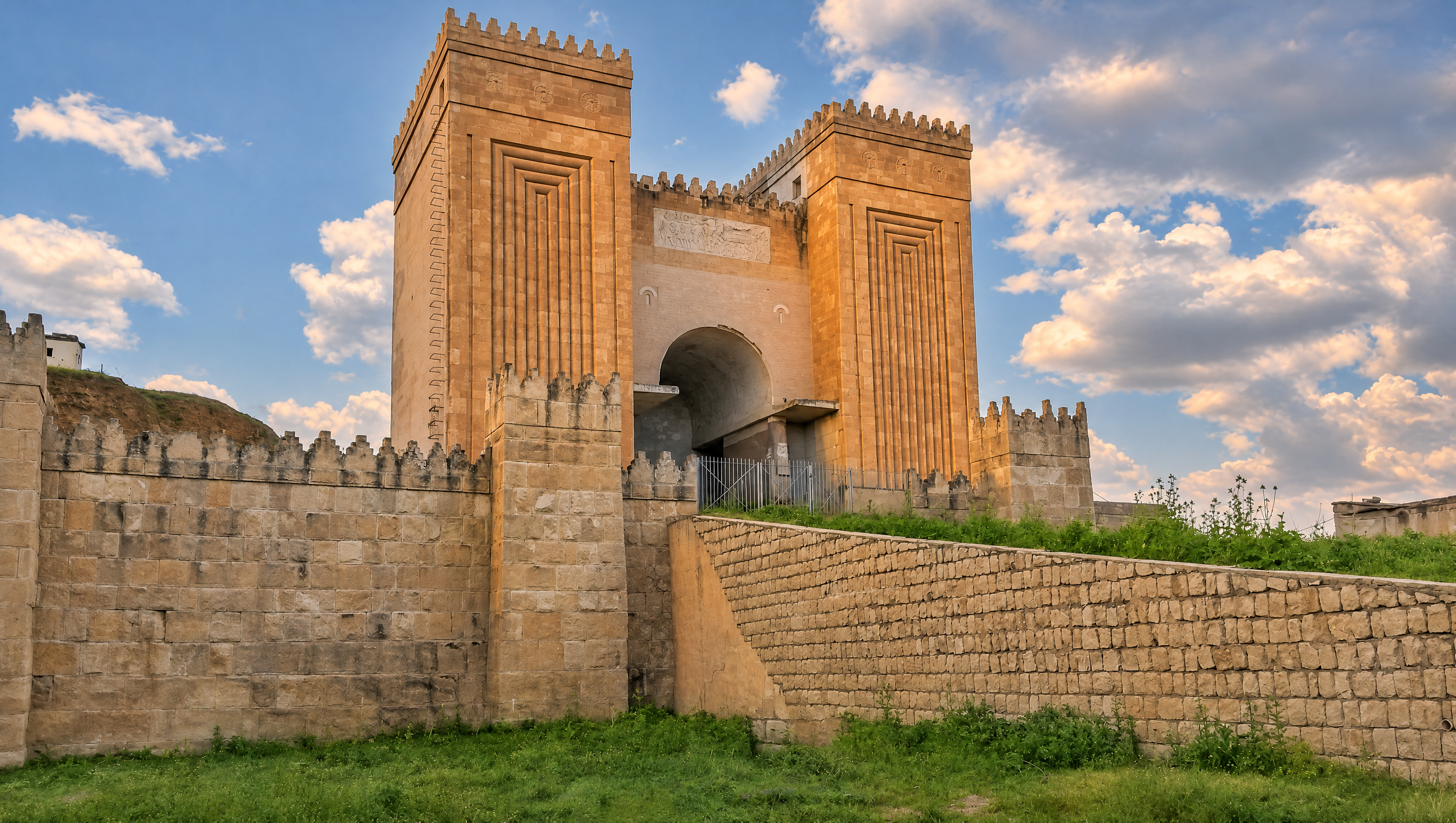
Ancient Nineveh lies on the eastern side of the Tigris, within modern Mosul.
Its surviving walls, gates and archaeological landscape introduce a different period from the streets of the Old City. Nineveh was a capital of the Neo-Assyrian Empire, and its story connects Mosul with the wider history of northern Mesopotamia.
Plan it as a separate part of your visit, with its own time and guiding, rather than assuming it is another stop on the same walking route.
Our team can consider the areas available to visit when preparing your itinerary. Access to a particular excavation, gate or restoration area should be confirmed before it becomes a promised part of the day.
How Long Should You Stay?
For a first visit with time for both the Old City and ancient Nineveh, two days is a useful planning starting point.
One possible outline is to focus on the Old City and its religious landmarks on one day, then give Nineveh and any other confirmed visits their own place in the schedule.
Your arrival time matters. Reaching Mosul after a long transfer is different from beginning a full morning there.
If your interests call for longer visits, leave more room. You don't need to turn every stop into a race against the next departure.
Our private journeys can be shaped around the pace you prefer. Include the places you most want to see, the number of nights you have available and any walking or accommodation requirements in your enquiry.
Where Can You Stay?
If you're looking for accommodation in Mosul, Visit Iraq can consider it as part of your tailored journey proposal.
Tell us your dates, number of travellers, room preferences and approximate budget. Mention a late arrival or an early departure so the stay can be considered alongside your transport.
The proposal should explain the accommodation and services being offered before you confirm. That is more useful than choosing a room without considering how it fits the rest of the visit.
Continuing Through Northern Iraq
Mosul can be one part of a wider route rather than an isolated stop.
The Visit Iraq Journey provides an example: its itinerary reaches Mosul after Samarra and Hatra, then includes ancient Nineveh and the Old City before continuing towards Duhok. Lalish and Erbil follow later in the route.
For your own journey, choose the sequence around your dates, interests and intended arrival and departure points. Adding more places should come with enough time to experience them.
You can use our signature itinerary as inspiration, or ask for a private journey with a longer stay in Mosul.
Let the City Have Its Own Time
Come with curiosity, and leave room for the details that don't fit neatly into an itinerary.
A building explained by someone who knows it. A meal that becomes part of a conversation. A street that helps you connect the city's different stories.
Mosul deserves more than a passing introduction.
Give it time, and let the people and places you encounter help you understand why.
Visit Iraq can arrange a base in Mosul and plan separate days for the old streets and the archaeological sites across the river.