Food and Dining in Iraq: What to Eat on Your First Visit
From Kahi and Gaymar at breakfast to Masgouf by the river, discover Iraqi dishes, regional flavours, dining customs, and what to try on your first visit.
By Visit Iraq · Published · 10 min read

Come to Iraq hungry.
Not because you'll have trouble finding somewhere to eat, but because there's more to discover than you might expect.
A plate of kahi and gaymar early in the morning. The smell of kebab cooking over charcoal. A pot of dolma brought to the table. Fresh bread from a neighbourhood bakery. A glass of chai that somehow turns into a long conversation.
Food is everywhere in Iraqi life.
It's part of family gatherings, celebrations, ordinary afternoons, and the little routines that make each city feel like home.
If you're visiting Iraq for the first time, here's what you should know about eating your way around the country.
Start With an Iraqi Breakfast
Breakfast is a wonderful introduction to everyday life in Iraq.
In Baghdad, one of the best-known combinations is kahi and gaymar.
Kahi is a layered, flaky pastry, usually served warm. Gaymar is a rich cream traditionally made from buffalo milk.
Together, they're often enjoyed with syrup or honey, alongside a glass of Iraqi tea.
You'll find dedicated breakfast shops preparing this combination early in the morning.
It's worth getting up for.
Another breakfast to look for is bagila bil dihin, a dish made with broad beans and bread, often served with eggs and oil or clarified butter.
And then there's the Iraqi bakery.
Fresh samoon, the distinctive Iraqi bread with its pointed, elongated shape, is part of everyday meals. People buy it warm, carry it home, and enjoy it with cheese, eggs, cream, or whatever else is on the table.
You don't need an elaborate breakfast.
Sometimes fresh bread, something simple to eat with it, and a cup of tea are enough.
Masgouf: Iraq's Famous Grilled Fish
If there's one dish many Iraqis will tell you to try, it's masgouf.
Masgouf is traditionally prepared using freshwater carp, opened along the back and slowly cooked beside an open wood fire.
The fish is positioned upright near the heat rather than simply laid flat over a grill.
It's a cooking method that takes time, giving the fish its distinctive smoky flavour.
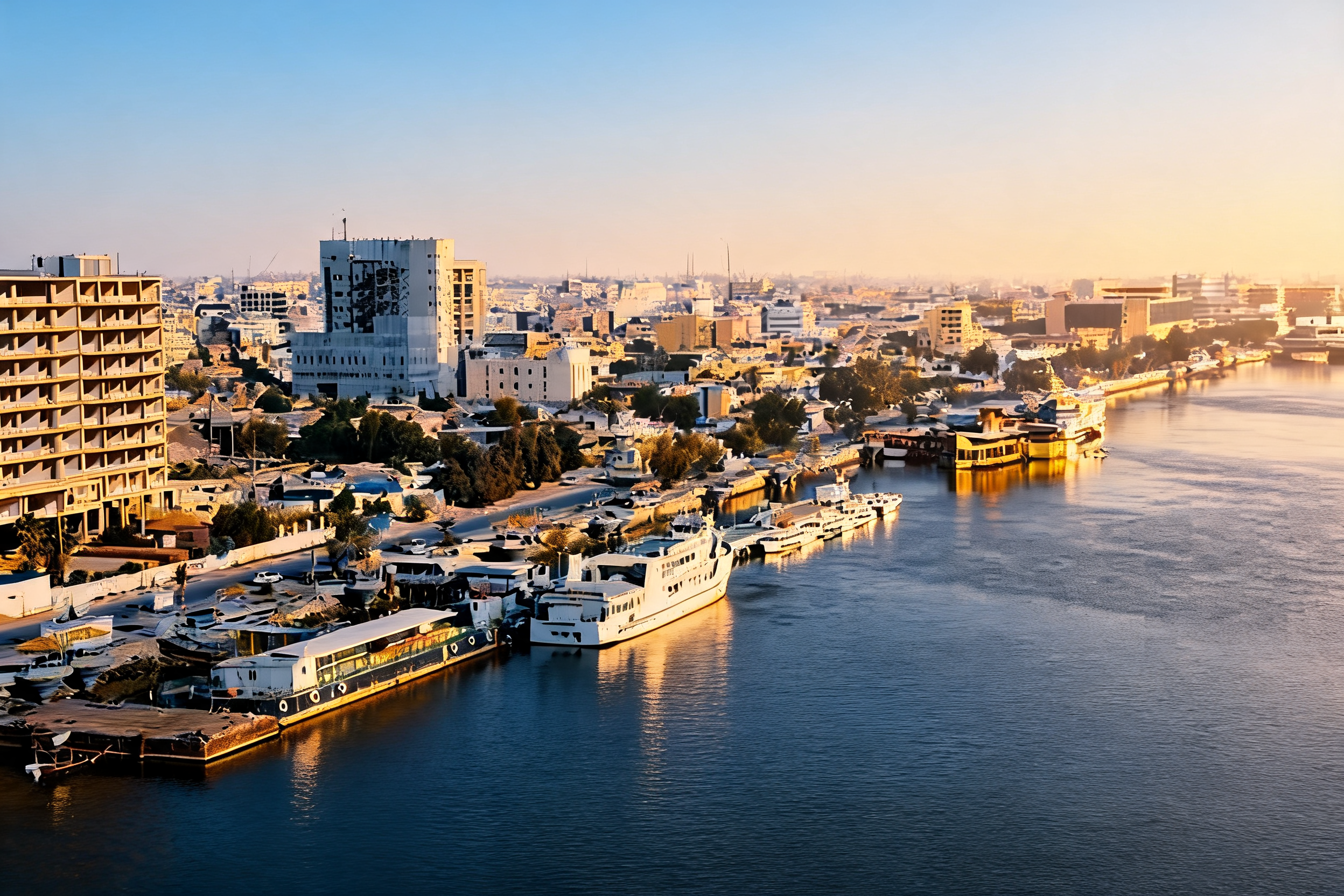
Masgouf is especially associated with Baghdad and the Tigris, although you'll find versions of it elsewhere in Iraq.
It's often served with bread, onions, pickles, and other accompaniments.
Depending on the restaurant, you may order the fish by weight, and preparation can take considerably longer than an ordinary grilled meal.
So don't plan to rush.
Order your fish, settle in, and enjoy the conversation while it's being prepared.
It's one of those meals where the time spent together is part of the experience.
Dolma: A Dish Made to Share
Dolma holds a special place on Iraqi tables.
The Iraqi version often brings together several vegetables in one pot.
You might find onions, aubergines, courgettes, peppers, and grape leaves filled with seasoned rice, herbs, and sometimes minced meat.
Recipes vary from family to family.
Some versions have a particularly tangy flavour, using ingredients such as pomegranate molasses or tamarind.
Dolma is often prepared for family gatherings, celebrations, and occasions when people come together.
And when it's ready, the entire pot may be turned out onto a large serving tray.
The result is something meant to be shared.
If you're lucky enough to eat homemade Iraqi dolma, ask the person who prepared it about their recipe.
You'll quickly discover that everyone has an opinion about how good dolma should be made.
Kubba: One Name, Many Different Dishes
Kubba is another important part of Iraqi cooking.
But ordering kubba doesn't always mean you'll receive the same thing.
There are many different preparations, shapes, fillings, and cooking methods.
Kubba Mosul is particularly associated with the city of Mosul. It's known for its large, flat shape and a bulgur-based outer layer surrounding a meat filling.
Kubba Halab is commonly made with a rice-based outer layer and a seasoned meat filling, then fried.
Other versions may be cooked in soup, including preparations with distinctive sweet-and-sour flavours.
Some families make kubba for special occasions. Others enjoy it as part of an ordinary meal.
It's worth trying more than one variety.
They can be surprisingly different from one another.
The Everyday Dishes Worth Knowing
Not every memorable Iraqi meal is a famous speciality.
Some of the most comforting dishes are the ones people grow up eating at home.
Tashreeb combines pieces of bread with a rich broth, often prepared with meat, vegetables, or chickpeas.
Bamia is an okra stew, usually cooked in a tomato-based sauce and commonly served with rice.
Tepsi baytinijan is a baked dish built around aubergine, potatoes, tomatoes, and sometimes meat.
Quzi is a celebratory dish traditionally centred around lamb, often served with seasoned rice and other accompaniments.
And then there's Iraqi kebab.
Freshly grilled, commonly made with minced meat and served with bread, onions, herbs, or grilled vegetables, it's a familiar favourite.
These are dishes you'll see in different forms across homes and restaurants.
The ingredients may be familiar.
The way they're prepared is what makes them distinct.
Every Region Has Its Own Table
Travel through Iraq and you'll begin to notice that food changes alongside the landscape.
Baghdad and Central Iraq
Baghdad is a good place to discover masgouf, kahi and gaymar, kebab, and a wide range of traditional Iraqi dishes.
You'll find everything from simple breakfast shops to busy family restaurants and places serving meals beside the river.
Some of the most interesting food experiences happen in ordinary neighbourhoods, not necessarily in famous restaurants.
Mosul and Northern Iraq
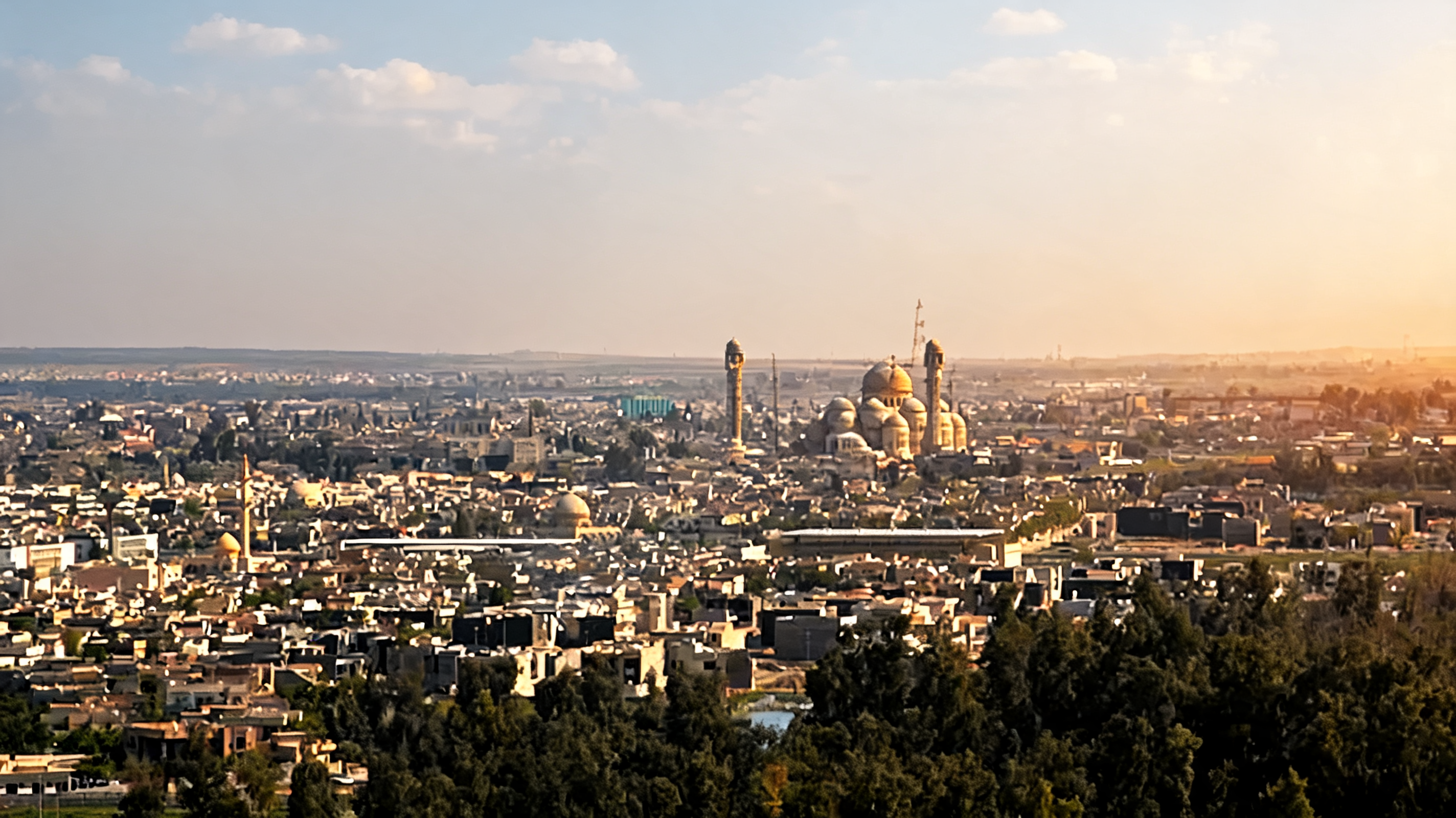
Mosul has its own culinary traditions, with kubba Mosul among its most recognizable specialities.
Wheat, bulgur, meat, and distinctive household recipes are important parts of the region's cooking.
The city's food also reflects the many communities that have shaped its history.
Basra and Southern Iraq
The south has strong connections to rivers, waterways, fish, dates, and rice-based dishes.
Basra's location near the Shatt al-Arab and the Gulf has also influenced its culinary traditions.
Dried lime, known as noomi Basra, is a familiar ingredient in many Iraqi kitchens, bringing a sharp, fragrant flavour to stews and rice dishes.
In areas around the Marshes, fish and locally available ingredients remain connected to traditional ways of life.
The Kurdistan Region
In Erbil, Duhok, Sulaymaniyah, and surrounding areas, you'll discover a wide range of Kurdish and other regional culinary traditions.
Rice dishes, grilled meats, vegetables, herbs, yoghurt, and seasonal ingredients feature in different local preparations.
The food also changes between cities, villages, and mountain communities.
These differences are worth exploring without assuming that every place in a region eats exactly the same way.
There isn't just one Iraqi menu.
And that's what makes travelling between regions so interesting.
Eating at an Iraqi Restaurant
Restaurants in Iraq range from casual neighbourhood kitchens to modern dining spaces.
Some specialize in a single dish. Others offer extensive menus.
If you're unsure what to order, ask what the restaurant is known for.
You may be offered bread, pickles, salads, or small accompaniments alongside your meal.
For dishes such as masgouf, check whether the price is per fish, by weight, or for a complete serving.
If you're ordering several shared dishes, ask about portion sizes before ordering too much.
And before sitting down, it's worth confirming which payment methods are accepted.
Cash remains useful in many restaurants, although electronic payments are becoming more common.
You don't need to understand every menu item before you arrive.
Just be curious, ask questions, and try something new.
Sharing a Meal With Iraqis
Eating together is an important part of social life in many Iraqi households.
You may find several dishes placed in the middle of the table, allowing everyone to share.
Bread often accompanies the meal, and hosts may encourage guests to try different dishes.
If someone has prepared food for you, a little appreciation goes a long way.
In Iraqi Arabic, you might hear or say Ashat eedak, a warm expression used to compliment someone for something they've made or done, including preparing food.
Dining customs differ between families and communities, so pay attention to the people you're eating with.
If you're unsure whether to serve yourself, wait to be invited, or use your hands, it's perfectly fine to ask.
There's no need to make the experience complicated.
Enjoy the meal and the people around you.
Tea, Sweets, and the Things in Between
You won't go far in Iraq without encountering chai.
Iraqi tea is commonly prepared strong and served in small glasses, often with sugar.
You'll find it in cafés, markets, workplaces, and homes.
Sometimes tea arrives after a meal. Sometimes it's the reason people gather in the first place.
And when something sweet appears on the table, look out for kleicha.
These traditional Iraqi biscuits are prepared with different fillings, including dates, walnuts, and other ingredients.
They're especially associated with celebrations and family gatherings, although you can enjoy them at other times too.
Iraq's date-growing traditions also appear in sweets, syrups, and everyday food.
Whether it's something from a bakery or something made in someone's home, desserts offer another way to discover the country's different culinary traditions.
What if You're Vegetarian or Have Dietary Restrictions?
Iraq has many dishes built around vegetables, rice, lentils, bread, herbs, and beans.
But a dish that looks vegetarian may still contain meat, stock, or animal fat.
Dolma, soups, stews, and rice dishes are particular examples where recipes vary.
If you don't eat meat, ask what ingredients have been used rather than relying on the appearance of the dish.
The same applies to food allergies.
Nuts, sesame, wheat, dairy, and other common allergens appear in Iraqi cooking.
If you have a serious allergy, communicate it clearly and confirm the ingredients and preparation arrangements before ordering.
A translated allergy card can be useful when language is a barrier.
Don't assume every restaurant can prevent cross-contact.
With a little preparation, you can explore the country's food while choosing what works for you.
Food, Water, and Everyday Practicalities
Most visitors want to experience local food, and there's no reason a trip to Iraq should be limited to familiar international restaurants.
Still, it's sensible to pay attention to how food is prepared and stored.
Choose places where cooked meals are served fresh and hot.
For drinking water, use reliably treated water or factory-sealed bottled water. Tap water should not be assumed safe to drink.
If the safety of the water supply is uncertain, take care with ice, uncooked produce, and drinks prepared with untreated water.
Dairy products should be properly pasteurized and stored safely, particularly in hot weather.
Wash your hands before eating, and be especially careful if you have health conditions that make foodborne illness more serious.
These small precautions can help you enjoy local food more comfortably.
Food During Ramadan and Religious Celebrations
If you visit Iraq during Ramadan, you may notice changes in restaurant opening hours and daily routines.
Many Muslims fast during daylight hours, and evening meals become important occasions for families and communities.
Some restaurants change their operating hours or offer special iftar meals.
Other religious occasions and festivals also have their own food traditions.
Eid celebrations, Christmas gatherings, Newroz, and community-specific observances can all involve dishes and customs that hold special meaning.
If you're visiting during one of these occasions, take time to understand the tradition behind the meal.
Not every cultural celebration is something organized for visitors.
Many are personal, religious, or family occasions.
Respecting that distinction is part of discovering Iraq thoughtfully.
Where Should You Eat on Your First Visit?
There isn't one restaurant that represents the whole country.
And there's no need to plan every meal before arriving.
Instead, begin with a few experiences you'd like to have.
Try kahi and gaymar for breakfast.
Find a place preparing masgouf over an open fire.
Have an Iraqi kebab with fresh bread.
Discover a traditional dish you haven't heard of before.
Spend some time in a café, drinking tea and watching the rhythm of the neighbourhood around you.
And if someone you trust recommends a local speciality, ask what makes it special.
The answer might tell you more than the menu.
Come Hungry, Leave With Stories
You may remember a particular meal from your visit to Iraq.
But there's a good chance you'll also remember where you ate it and who was sitting beside you.
The person who explained a dish. The cook who showed you how it was prepared. The family that shared its table. The conversation that continued long after the plates were empty.
Food has a way of connecting people without requiring them to know very much about one another beforehand.
So come curious.
Try something unfamiliar.
And leave enough time to enjoy it.
There's a whole country to discover, and a great deal of it begins at the table.
Tell Visit Iraq which dishes interest you or which ingredients you avoid. We can make room for those conversations and meals in your route.