Visiting Iraq for the First Time: A Practical Guide
Your first visit to Iraq starts before you land. Discover what to prepare, how to plan your route, what to expect, and the little things worth knowing.
By Visit Iraq · Published · 7 min read

There are a few things you'll want to know before your first visit to Iraq.
How to get here. Where to begin. What to bring. How to get around. And perhaps a few things you wouldn't have thought to ask.
Iraq is a country of many different experiences. You might spend a morning among the booksellers of Baghdad, explore ancient cities, discover the mountains of the north, or share a meal with people you've only just met.
Every place has its own rhythm.
And while there's no single way to experience Iraq, a little preparation can make your first visit much easier.
Here's where to begin.
Where Should You Start?
That depends on what brings you to Iraq.
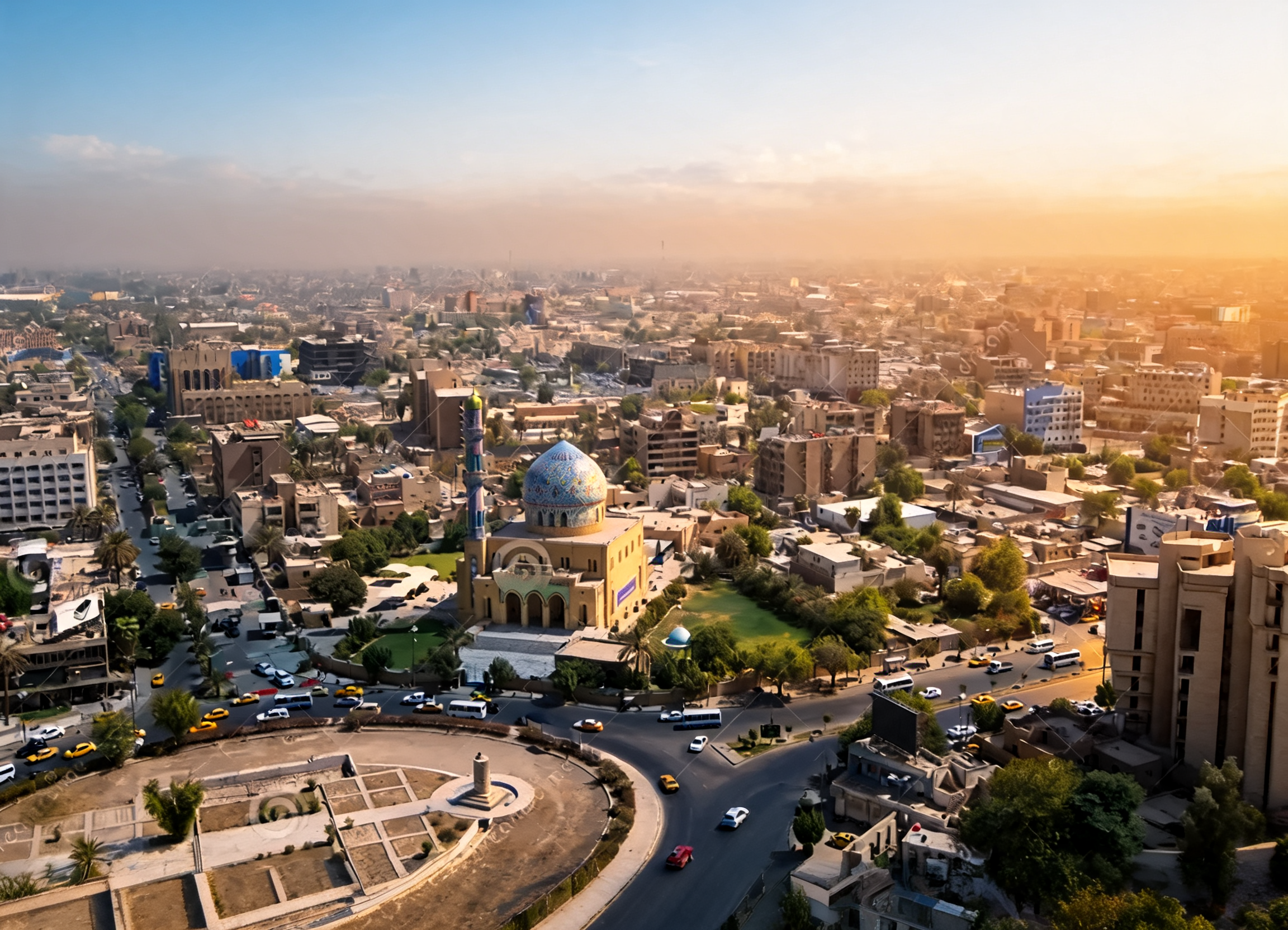
If you're interested in history and everyday city life, Baghdad is a wonderful place to get to know. Its streets bring together old neighbourhoods, museums, markets, cafés, and places that have been part of Iraqi life for generations.
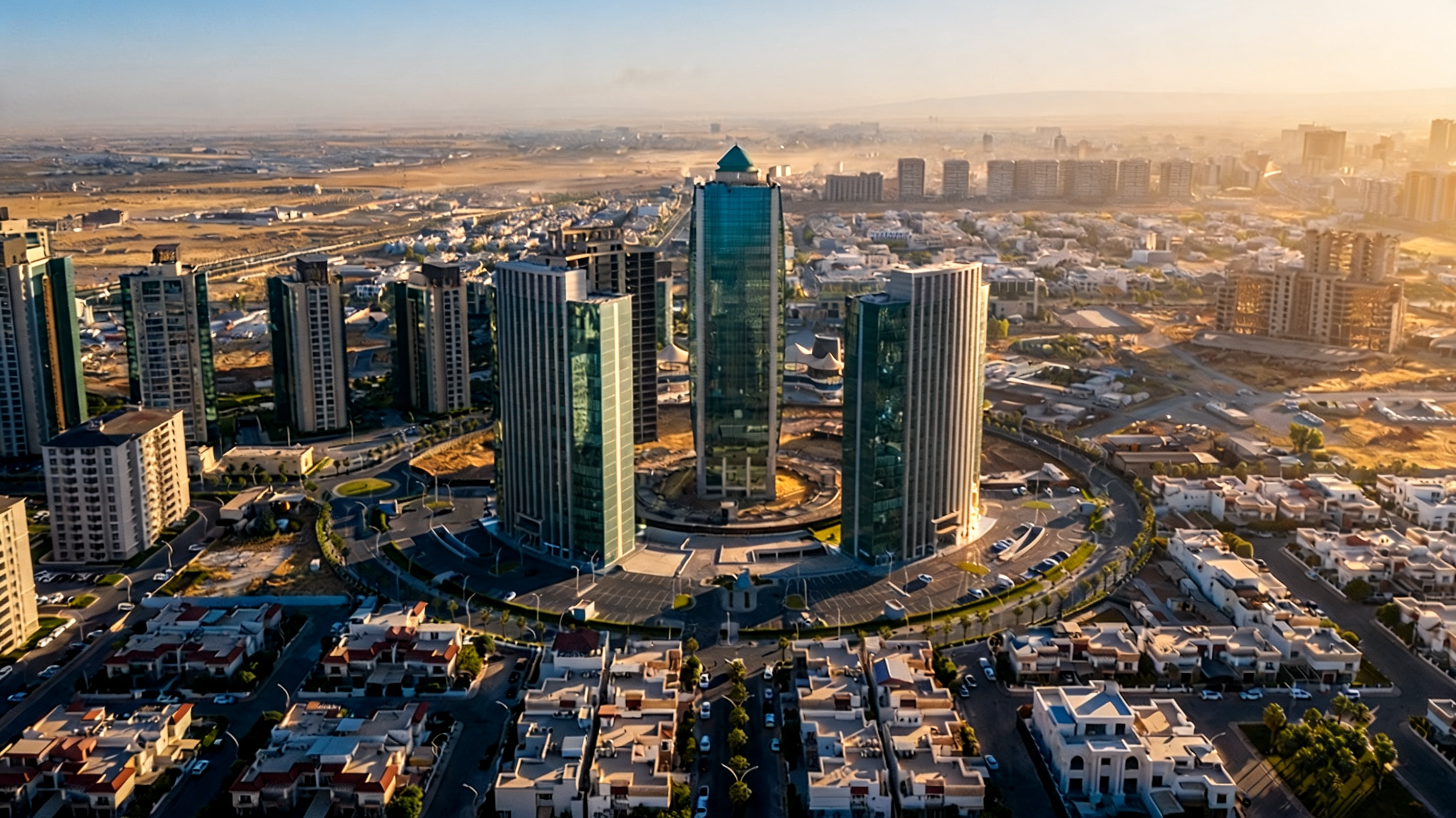
In the north, Erbil offers a different experience, with its historic citadel, markets, and access to the landscapes of the Kurdistan Region.
Further south, you'll find the archaeological sites of ancient Mesopotamia, the holy cities of Najaf and Karbala, and the wetlands of the Iraqi Marshes.
You don't need to see everything on your first visit.
Sometimes, getting to know one place properly is more rewarding than trying to fit the entire country into a few days.
When Should You Visit?
The time of year can make a big difference, particularly when you're planning to visit more than one region.
For Baghdad, Babylon, Najaf, Karbala, and much of southern Iraq, the cooler months are generally more comfortable for spending time outdoors.
Late autumn through spring is a useful starting point, although early autumn can still be very hot.
The northern mountains have a different climate. Spring brings greener landscapes, while winters can be cold, with snow at higher elevations.
Summer temperatures in central and southern Iraq can be intense, so outdoor visits may need to be planned around the cooler parts of the day.
Consider the places you want to explore before choosing your dates.
Your Visa and Entry Requirements
Before booking your journey, find out which entry permission applies to your passport.
Iraq has a federal visa system and a separate visa application system administered by the Kurdistan Regional Government.
The distinction matters if you're planning to travel between different parts of the country.
For example, a visa issued specifically for the Kurdistan Region does not automatically give you permission to visit Baghdad or other destinations in federal Iraq.
Eligibility, application procedures, and permitted stays depend on your nationality and visa type.
You can begin with the official platforms:
Check your passport validity, application requirements, and approved travel permissions before departure.
Our dedicated Iraq Visa Guide explains the two systems in greater detail.
Arriving in Iraq
Your arrival airport will depend on your route.
Baghdad International Airport and Erbil International Airport are two important gateways, and other airports also serve international travellers.
Before your flight, it's worth arranging how you'll reach your accommodation.
Know the name and address of your hotel, keep your confirmation accessible, and establish a reliable onward transport arrangement.
If someone is collecting you, confirm the meeting point and contact details in advance.
For a first visit, having those little details settled makes the arrival experience much simpler.
Getting Around
Travelling within Iraq takes different forms depending on where you're going.
Within cities, taxis, private drivers, and other local transport options can help you move between neighbourhoods and landmarks.
Longer journeys may involve road transfers or domestic flights, depending on available routes.
It's important to give yourself enough time.
Traffic, road conditions, access arrangements, and other delays can affect how long a journey takes. Distances on a map don't always tell you the whole story.
If you're planning to travel between several cities, organize the route before deciding how many places to include.
And remember, not every day needs to be full.
Leaving room for a longer conversation, another cup of tea, or a place you hadn't expected to discover can be part of the experience.
Money and Everyday Payments
Iraq's currency is the Iraqi dinar, usually written as IQD.
Cash remains useful for everyday purchases, particularly in markets, smaller shops, local cafés, and places where card payments are not available.
International payment cards may work at some hotels, restaurants, and larger businesses, but you shouldn't assume they'll be accepted everywhere.
It's sensible to have access to local currency and to understand your exchange options before arriving.
If you're travelling across different regions, plan your everyday spending accordingly.
Staying Connected
Having internet access can make travelling much easier.
You can arrange a suitable international roaming package or explore local SIM and data options after arrival.
Coverage varies by provider and location, particularly outside major cities.
Before leaving your hotel, save important information such as accommodation addresses, contact numbers, and offline maps.
A portable charger is also useful when you're spending long days exploring.
These are small preparations, but they're often the ones you'll appreciate most.
What Should You Wear?
There isn't one dress code for all of Iraq.
What people wear depends on the city, the occasion, the season, and the place they're visiting.
In everyday settings, you'll encounter different styles of clothing, from contemporary fashion to traditional dress.
Religious sites are different.
Mosques, shrines, churches, and other places of worship may have specific expectations. Modest clothing is important, and certain shrines require women to wear a head covering or abaya.
Some places also have rules about footwear, photography, and access to particular areas.
Understanding those customs before visiting is a simple way to show respect for the communities who hold these places sacred.
The Language You'll Hear
Arabic and Kurdish are Iraq's official languages, but they're only part of the country's linguistic identity.
Different communities also speak languages such as Syriac, Turkmen, and Armenian.
You'll hear different dialects and expressions as you travel between cities and regions.
English is spoken in some hotels, businesses, and visitor services, although it isn't something to rely on everywhere.
Learning even a few local expressions can make interactions more enjoyable.
A simple greeting or thank you can open the door to a conversation.
And sometimes a smile communicates plenty on its own.
Food Is Part of the Experience
Iraqi food tells stories of family, region, celebration, and everyday life.
You might begin the morning with kahi and gaymar, discover dolma prepared in its many local variations, or share masgouf, the traditional grilled fish associated with Iraqi cooking.
There are dishes such as kubba, tashreeb, and quzi, alongside different breads, sweets, and regional specialities.
Food is also an opportunity to understand how people live.
Markets reveal seasonal ingredients. Family recipes carry memories. And tea is often as much about conversation as it is about the drink itself.
Take the time to discover what people eat in the places you're visiting.
Some of the most interesting experiences happen around a table.
A Few Practical Things to Prepare
Before leaving home, it helps to have a few essentials organized.
Keep accessible copies of your passport, visa, accommodation information, and important contact details.
Pack clothing appropriate for the season and destinations. Comfortable walking shoes are useful for markets, archaeological sites, and city streets.
Bring any medication you need, and check the applicable rules for carrying it into Iraq.
Review your medical arrangements, including access to suitable care and insurance coverage. Food and water precautions are also worth understanding, particularly when travelling between different environments.
Finally, pay attention to current conditions when planning your route.
Events in the wider region and developments within Iraq can affect flights, transport, access, and travel arrangements. Serious security risks remain, and some authorities currently advise against travel to Iraq. Make sure you have reliable, up-to-date information for your destinations and understand what your insurance covers before committing to a trip.
Good preparation is about understanding the journey you're planning, not making assumptions about a place you've never visited.
Give Yourself Time to Discover
One of the things worth remembering is that Iraq isn't a single experience.
Baghdad has a different atmosphere from Erbil. The mountains of Duhok are unlike the Marshes of the south. The life surrounding a busy market is different from the quiet of an ancient archaeological site.
The more places you discover, the more you'll notice those differences.
But you don't need to understand everything on your first visit.
Be curious. Ask questions. Listen to the people you meet. Take time with the places you explore.
And whenever you need practical information, the Visit Iraq Journal is here to help you find your way.
Tell Visit Iraq where you hope to begin and end your first trip. We can help fit the journeys between cities around the places you most want to see.