Best Places to Visit in Iraq: Where to Begin
From Baghdad’s lively streets and ancient Babylon to the southern Marshes and Kurdistan’s mountains, discover the places that tell Iraq’s story.
By Visit Iraq · Published · 9 min read
Ask someone in Baghdad where you should begin discovering Iraq, and they might send you to Al-Mutanabbi Street, where generations of booksellers have filled the pavements with stories.
Ask someone in the south, and they may tell you to visit Ur, stand before its ancient ziggurat, or spend a morning travelling through the reeds of the Mesopotamian Marshes.
In the north, someone might suggest the mountains, the old streets of Erbil, or a quiet valley where traditions have been preserved for centuries.
They are all introducing you to the same country.
And each is showing you something different.
For anyone visiting Iraq for the first time, the question is not simply which places are the most famous.
It is what you want to understand, experience, and remember.
Here are some of the places worth getting to know.
Baghdad: A City That Has Never Stopped Telling Stories
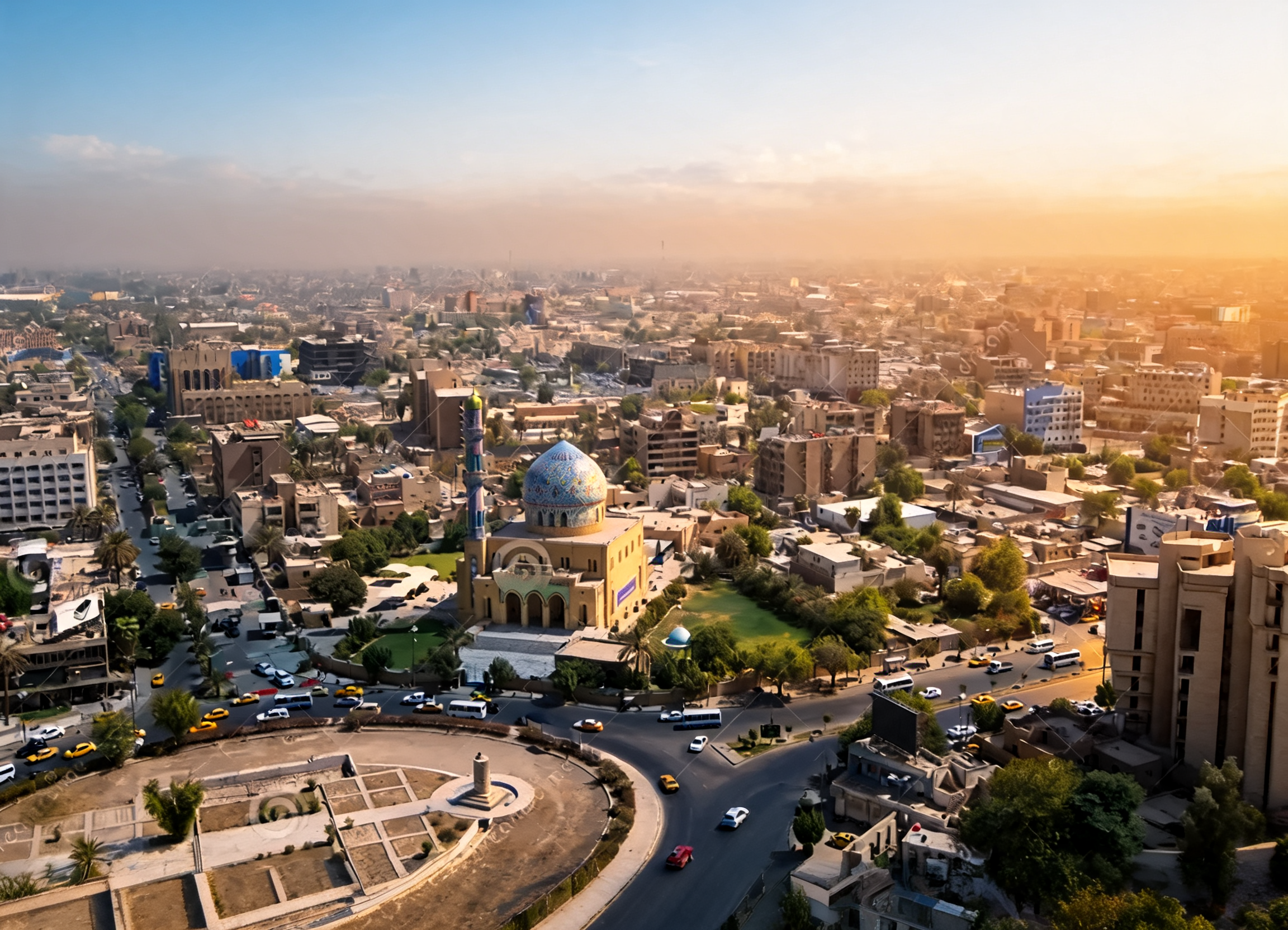
Baghdad is often where a journey through Iraq begins.
The city has been a centre of learning, literature, commerce, and culture for more than a thousand years. But its character is not found only in history books.
It lives in the streets.
Along Al-Mutanabbi Street, booksellers arrange their collections while visitors move between shops, cafés, and conversations. Nearby, the historic buildings of Al-Qishla and Al-Mustansiriya offer glimpses of Baghdad’s intellectual and architectural heritage.
Elsewhere, the Tigris passes through neighbourhoods where life continues in its own familiar rhythms.
Baghdad is also a place to discover Iraqi food, contemporary art, local markets, religious heritage, and everyday experiences that rarely appear in international news.
Give the city time.
Some of its most meaningful moments happen when you are not rushing towards the next landmark.
Babylon: Walking Through the Ancient World
Few names in human history carry the recognition of Babylon.
Yet standing among its remains near Hillah offers a very different experience from reading about it.
Babylon was one of the great cities of ancient Mesopotamia, associated with rulers such as Hammurabi and Nebuchadnezzar II.
Today, visitors can explore the archaeological site, follow the Processional Way, see the Lion of Babylon, and encounter the remains of monumental structures that once belonged to one of the ancient world’s most influential cities.
The Ishtar Gate visible at the site is a reconstruction. Major surviving elements of the original are displayed in Berlin.
Understanding that distinction is part of understanding Babylon itself, a place whose history has been excavated, reconstructed, interpreted, and studied across generations.
Babylon was inscribed on the UNESCO World Heritage List in 2019.
For anyone drawn to ancient history, it is one of Iraq’s most significant places.
Ur: Where the Story of Cities Takes Shape
Near Nasiriyah, in southern Iraq, stands the Great Ziggurat of Ur.
It rises from a landscape that once belonged to one of the most important cities of ancient Sumer.
Ur was part of a world in which urban life, writing, administration, trade, religious institutions, and complex societies developed across Mesopotamia.
The ziggurat, constructed during the reign of Ur-Nammu in the late third millennium BCE, remains one of the most recognisable monuments of that civilisation.
But its importance extends beyond its monumental appearance.
Ur invites visitors to imagine the lives of people who inhabited this landscape thousands of years ago.
Their homes, work, beliefs, families, and relationships with the world around them.
It is difficult to visit a place like this without thinking about how much of our shared human history began long before the countries we know today existed.
Najaf and Karbala: Places of Living Faith
Not every important place in Iraq belongs primarily to the past.
Najaf and Karbala are among the most significant cities in Shia Islam. Their importance continues through the religious lives of millions of people.
In Najaf, the Shrine of Imam Ali stands at the heart of a city known for religious scholarship, pilgrimage, and traditions of learning.
Karbala is closely associated with the memory of Imam Hussein and the events of 680 CE. The shrines of Imam Hussein and Al-Abbas remain central to its religious identity.
These cities are not simply historic sites.
They are living places of worship, remembrance, hospitality, and community.
Visitors should approach them with an understanding of their spiritual significance and respect the clothing, photography, and access requirements of each site.
Even for travellers whose interests are primarily cultural or historical, understanding Najaf and Karbala is part of understanding Iraq.
The Mesopotamian Marshes: Life Between Water and Reeds
In southern Iraq, the landscape changes.
Roads give way to waterways. Tall reeds rise from the water. Traditional boats move through channels surrounded by open sky.
The Mesopotamian Marshes are among Iraq’s most distinctive natural and cultural landscapes.
They are also home to communities whose lives have long been connected to the wetlands, particularly the Marsh Arabs, known as the Ma’dan.
Traditional reed guesthouses called mudhifs, buffalo herding, fishing, and boat travel are part of a rich cultural heritage shaped by the environment.
The Ahwar of Southern Iraq received UNESCO World Heritage recognition in 2016 for their natural and cultural significance.
But the Marshes also face serious environmental pressures, including drought and changing water availability.
Visitors should understand these realities and choose experiences that respect and support local communities.
A visit here is not simply about photographing a beautiful landscape.
It is about understanding the relationship between people, water, and the land they call home.
Basra: The Character of Southern Iraq
Basra offers another introduction to Iraq.
The city has long been associated with trade, river life, literature, and connections to the Gulf.
Along the Shatt al-Arab, formed by the meeting of the Tigris and Euphrates, the landscape carries the influence of waterways, date palms, and generations of commercial and cultural exchange.
Basra’s older neighbourhoods preserve examples of distinctive architecture, including traditional houses with projecting wooden balconies known as shanasheel.
Its food, markets, dialect, and everyday atmosphere reflect the character of southern Iraq.
There is history here, but there is also a contemporary city shaped by its people, challenges, ambitions, and traditions.
Basra is worth discovering beyond a brief stop on the way to somewhere else.
Samarra: A Monument to the Abbasid Age
North of Baghdad, Samarra carries the remains of another extraordinary period in Iraq’s history.
The city became a capital of the Abbasid Caliphate in the ninth century.
Its most recognisable landmark is the Malwiya Minaret, whose enormous spiral form rises above the surrounding landscape.
Samarra is also home to the Al-Askari Shrine, one of the important sacred places of Shia Islam.
The city’s archaeological heritage is recognised by UNESCO.
Samarra brings together different aspects of Iraq’s identity: imperial history, Islamic architecture, archaeology, and living religious traditions.
Because visitor access and security conditions can change, arrangements for Samarra require particular attention to current local circumstances.
Mosul: A City of Heritage, Memory, and Renewal
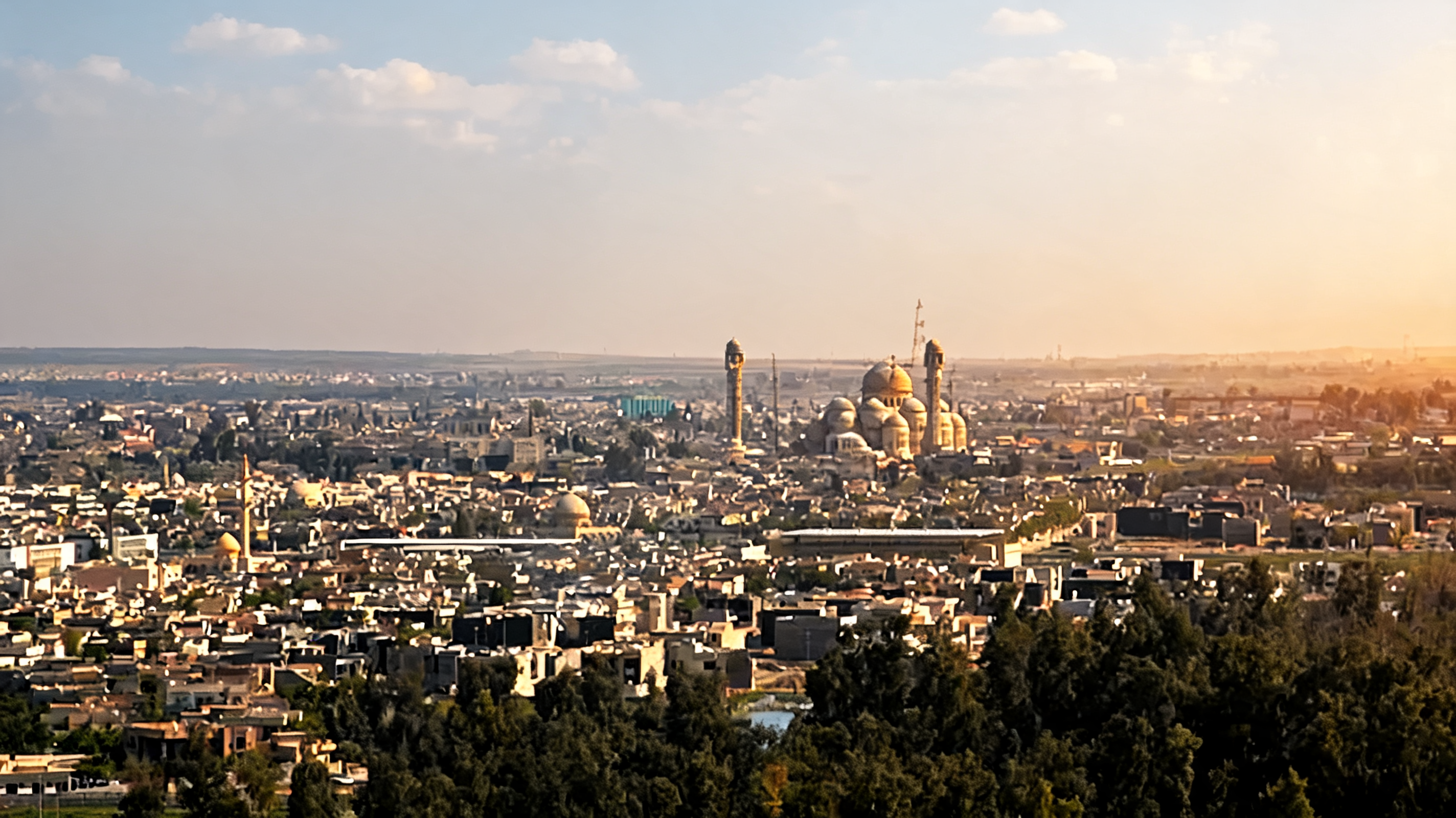
Mosul has experienced profound loss.
But its identity extends far beyond the conflict through which much of the international world came to know it.
For centuries, Mosul was a centre of trade, learning, craftsmanship, and religious and cultural diversity.
Its historic neighbourhoods carry the architectural influences of different communities that contributed to the city’s identity.
On the eastern side of the Tigris lie the remains of ancient Nineveh, one of the great capitals of the Neo-Assyrian Empire.
Across the river, Mosul’s Old City continues a different story.
The restoration of landmarks including Al-Nouri Mosque, Al-Hadba Minaret, and historic churches reflects the work of communities, craftspeople, and heritage organisations rebuilding important parts of the city’s cultural fabric.
To discover Mosul thoughtfully is to recognise both what happened here and everything that existed before it, as well as the lives being lived today.
Erbil: History at the Heart of a Modern City
Erbil offers visitors a different rhythm.
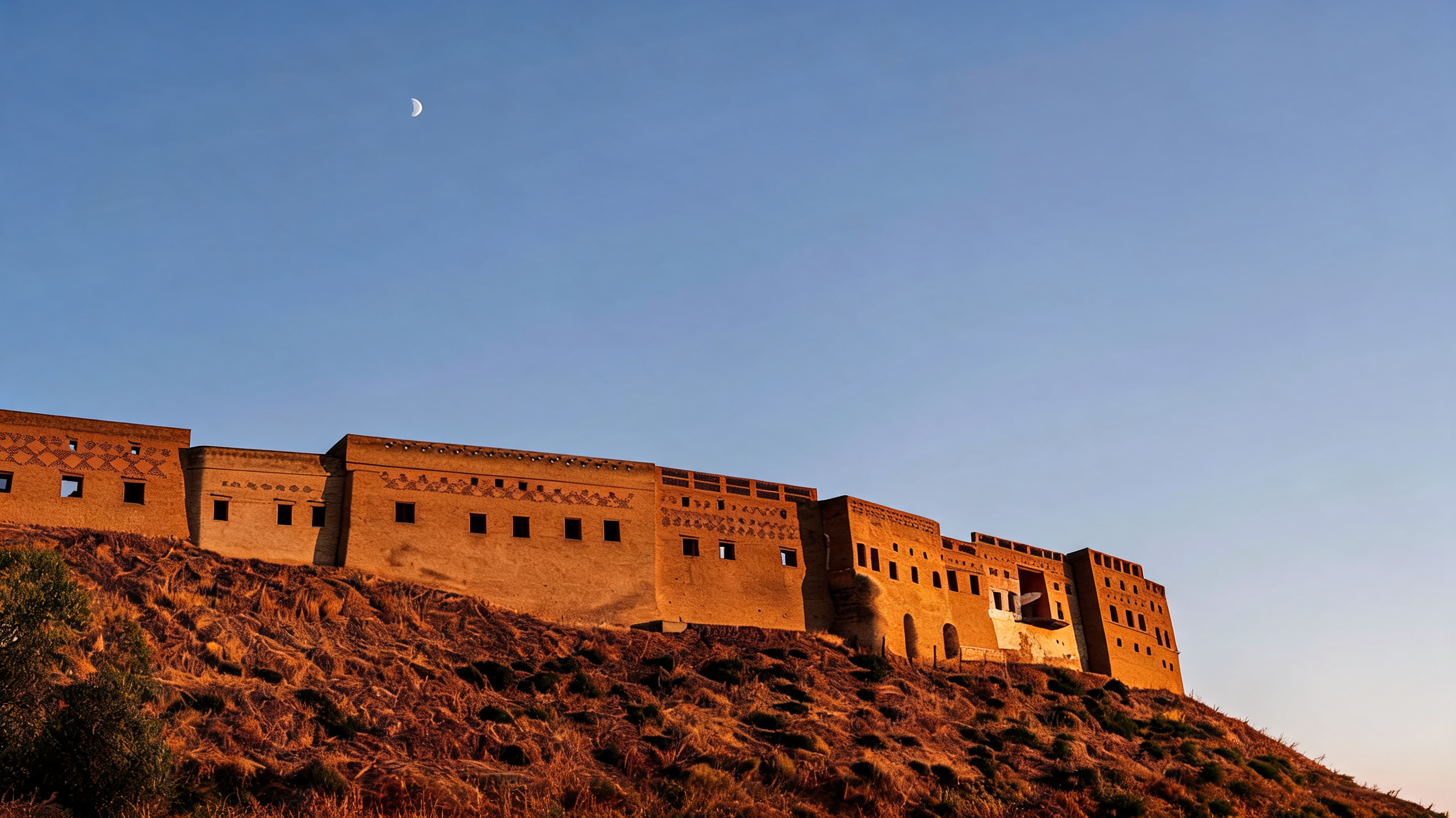
At its centre stands Erbil Citadel, a historic settlement mound that rises above the surrounding streets.
The site, recognised by UNESCO in 2014, reflects thousands of years of occupation.
Below the Citadel, Qaysari Bazaar remains part of the city’s commercial and social life.
Erbil is also a centre of contemporary Kurdish culture, with restaurants, cafés, neighbourhoods, and public spaces that reflect the city as it lives today.
The wider governorate offers access to mountain towns and landscapes beyond the urban centre.
It is a place where visitors can encounter both a remarkable archaeological past and the living identity of the Kurdistan Region.
The Mountains of Kurdistan: Another Landscape of Iraq
For travellers who have only imagined Iraq as a country of deserts and ancient ruins, the mountains of the north can be surprising.
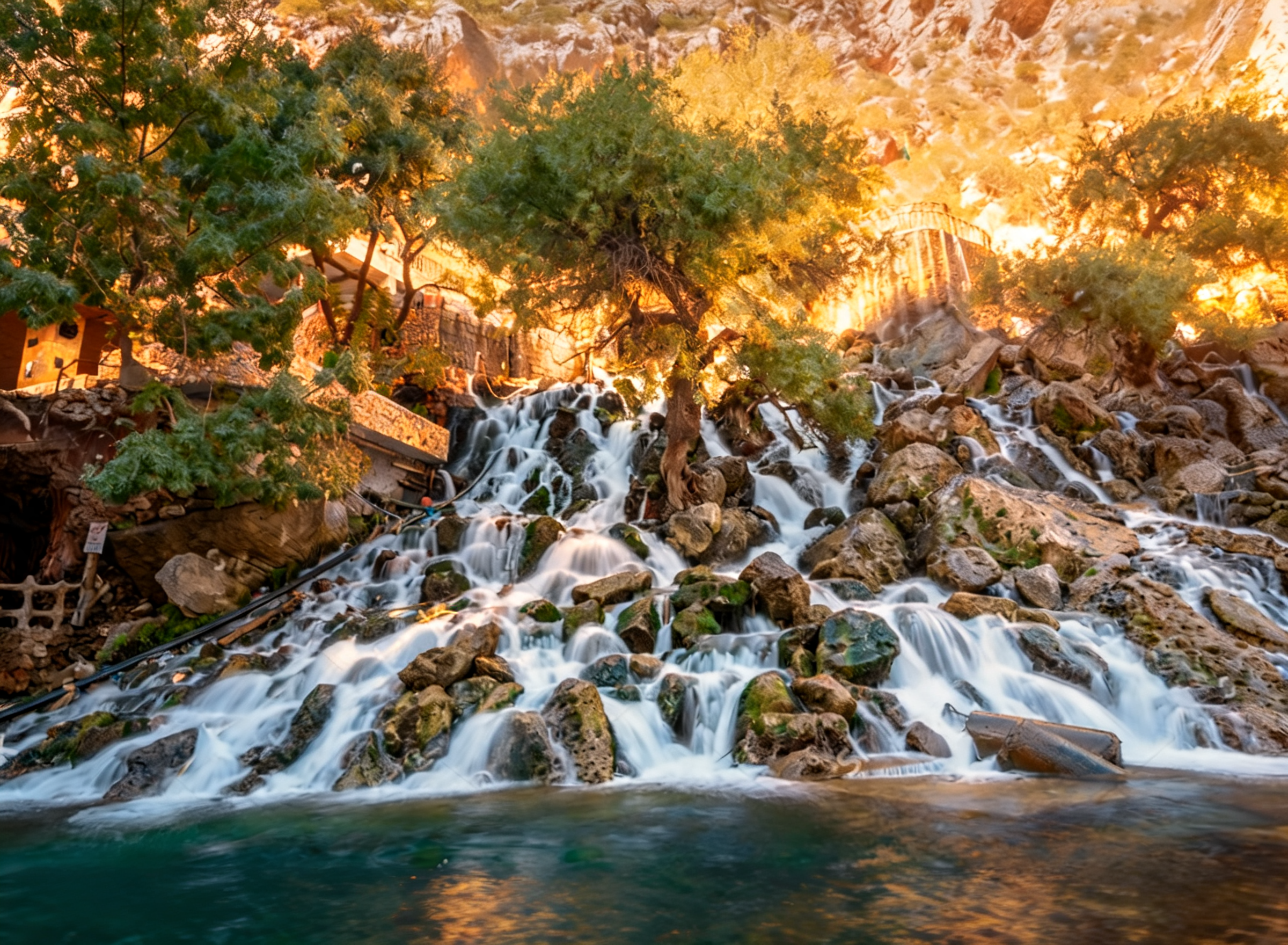
Around Rawanduz, dramatic valleys open between steep cliffs. Roads pass through mountain landscapes, and waterfalls attract local families during the greener months.
Further north, Duhok and surrounding areas offer mountain towns, valleys, traditional villages, and landscapes that change considerably between the seasons.
Spring brings green hillsides and flowing water. Autumn has its own colours and atmosphere, while winter can bring snow to higher elevations.
These landscapes are not separate from Iraq’s story.
They are another essential part of it.
Lalish: Understanding the Sacred Traditions of the Yazidis
In a valley in Duhok Governorate lies Lalish, the holiest sanctuary of the Yazidi faith.
Its distinctive conical shrines, sacred spaces, and surrounding landscape are deeply connected to Yazidi religious life.
Lalish is not simply an architectural landmark or a scenic destination.
It is a living sanctuary.
Visitors should approach the site with respect for its traditions, including removing footwear, observing local customs, and understanding the importance of its religious spaces.
The experience offers an opportunity to learn about one of Iraq’s historic religious communities through the place that holds profound meaning for its followers.
So, Where Should Your First Journey Begin?
There is no single answer.
If ancient history brings you to Iraq, Baghdad, Babylon, and Ur can introduce you to different periods of Mesopotamian civilisation.
If you want to understand religious and cultural traditions, Najaf, Karbala, Lalish, and other sacred places reveal important parts of the country’s identity.
If landscapes interest you, the Mesopotamian Marshes and the mountains of Kurdistan offer experiences that could hardly be more different.
And if what interests you most is the Iraq people live in today, allow time for its cities.
For their neighbourhoods, cafés, markets, families, artists, and everyday conversations.
Trying to include every destination in one journey can mean experiencing too little of each.
Choose the places that matter to you and give them the time they deserve.
Travel conditions, site access, and security circumstances can differ significantly between regions and change quickly. Some areas present serious risks. Before deciding on a route, understand current local conditions, check access arrangements, and make sure your transport and travel plans are appropriate.
There Is More Than One Iraq to Discover
A person who visits Baghdad may remember its booksellers.
Someone who travels south might remember a quiet morning on the water.
Another traveller may carry home the sight of mountains at sunset, the feeling of standing before an ancient monument, or a conversation with someone they had never expected to meet.
These experiences are different.
Together, they begin to reveal a country far more varied than any single description.
And perhaps that is the best place to start.
Not with the idea that you already know Iraq.
But with the curiosity to discover it.
Visit Iraq can turn your first few choices into a route, with time for the drives between them and the places you want to linger.