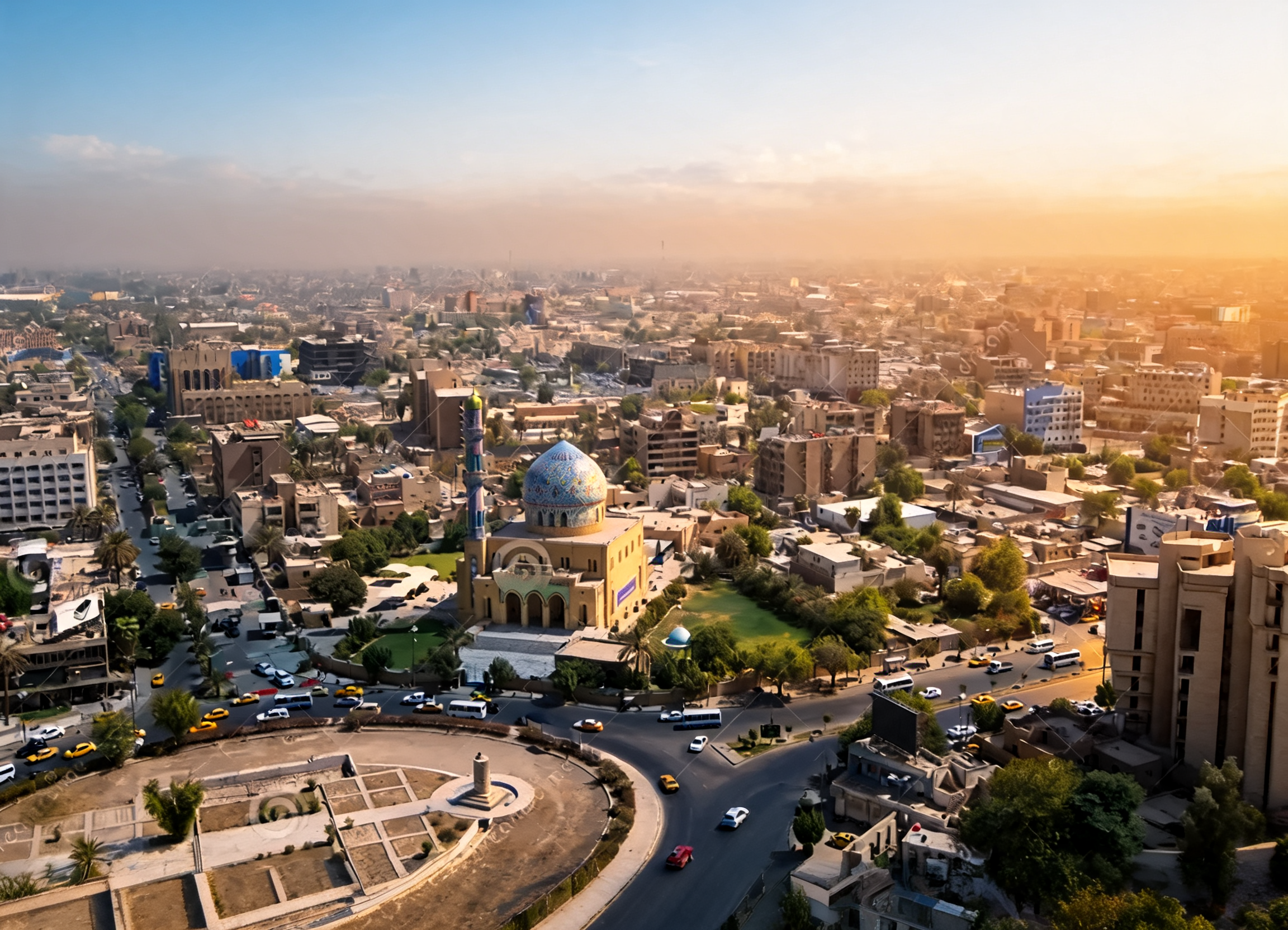
When Is the Best Time to Visit Iraq?
From spring in the northern mountains to winter in the southern marshes, discover how Iraq's seasons can shape the places you explore and the experiences you find.
By Visit Iraq · Published · 7 min read

Ask someone when to visit Iraq, and you'll probably hear a different answer depending on where they live.
Someone from Baghdad might tell you to come when the summer heat has passed. In the mountains of the north, spring brings green valleys, flowing waterfalls, and longer days outdoors. Further south, the cooler months offer a different experience among the ancient cities and the reed-filled waterways of the Marshes.
They're all talking about the same country.
And that's what makes choosing when to visit Iraq a little more interesting.
So, When Should You Come?
For many cultural journeys across Iraq, September through May offers the broadest travel window.
But that doesn't mean every month is equally comfortable everywhere.
If you're hoping to explore Baghdad, Babylon, Najaf, Karbala, and southern Iraq, late October through April is generally a good period to consider, with November through March especially comfortable for many outdoor activities.
If the northern mountains are your priority, spring and autumn offer a different experience, with greener landscapes, cooler temperatures, and opportunities to enjoy the outdoors.
And if your journey is centred around a particular festival, celebration, or religious occasion, the calendar may matter more than the weather.
The best time depends on what you're coming to discover.
Spring: When the Land Turns Green
March to May
Spring is one of the most beautiful seasons in Iraq, particularly in the north.
After the winter rains, hillsides turn green, rivers carry more water, and mountain valleys become places where families gather for picnics and days outdoors.
Around Rawanduz, Soran, Duhok, and other parts of the Kurdistan Region, spring brings a landscape that surprises many first-time visitors.
It's also a lovely time to explore Erbil and its surrounding areas.
Further south, March and early April can offer comfortable conditions for walking through Baghdad, visiting ancient Babylon, or spending time at archaeological sites.
But temperatures rise quickly as spring progresses.
By May, afternoons in central and southern Iraq can already be very hot, even while some higher mountain areas remain pleasant.
Spring also brings the possibility of dust storms, which can affect visibility and travel plans.
What makes spring special?
For many communities in the north, one of the most important celebrations is Newroz, marking the arrival of the new year and spring.
In places such as Akre, celebrations traditionally bring people together with music, fire, traditional clothing, and gatherings that illuminate the mountainsides.
It's a remarkable expression of living culture, and an occasion worth understanding beyond the photographs.
Summer: A Different Rhythm
June to August
Summer in Iraq is not something to underestimate.
In Baghdad and much of central and southern Iraq, temperatures regularly exceed 40°C, with even higher temperatures possible during heatwaves.
The heat changes the rhythm of everyday life.
Outdoor activity often moves toward the early morning or evening, while the hottest afternoon hours are better spent indoors.
That doesn't mean life stops. Streets, restaurants, family gatherings, and social spaces continue to have their own summer rhythms.
But for visitors planning long walks through archaeological sites or extended outdoor excursions, summer requires particular care.
The mountains of the Kurdistan Region offer alternatives, especially in higher valleys where temperatures can be cooler than in the cities.
Places such as Choman, Amedi, and mountainous areas around Rawanduz attract people seeking a break from the lowland heat.
Even there, summer temperatures can be high, and conditions vary by elevation.
If you're visiting in summer, choose your activities carefully, allow time for rest, and plan around the weather rather than against it.
Autumn: When the Cities Feel Different
September to November
Autumn gradually brings relief from the summer heat.
September can still feel very hot in Baghdad and the south, so it's worth remembering that the season doesn't change everywhere at once.
By late October and November, outdoor exploration is generally much more comfortable.
This is a particularly enjoyable period for discovering Baghdad.
Spend the morning among the booksellers on Al-Mutanabbi Street, explore the surrounding cultural district, or sit outside with tea as the city moves through its day.
It's also a good time to visit Babylon, Ur, and other archaeological sites, where much of the experience involves walking under the open sky.
In northern Iraq, autumn brings changes of colour to orchards and mountain landscapes.
Agricultural communities also celebrate seasonal harvests, including the pomegranate-growing traditions associated with Halabja.
For visitors who want to experience several parts of Iraq in one journey, late October and November are among the strongest choices.
They offer a useful balance between weather, outdoor exploration, and regional variety.
Winter: Discovering Another Side of Iraq
December to February
Winter brings yet another version of Iraq.
In Baghdad and the south, days are generally much cooler than in summer, while evenings and mornings can become cold.
Rain is more likely, and occasional fog can affect visibility and transport.
For visitors interested in archaeological sites, city walks, and cultural experiences, winter can be a comfortable season with the right clothing.
It's also an appealing period to experience the southern Marshes.
A journey by mashoof, the traditional wooden boat, offers a different view of the landscape when temperatures are mild.
The waterways, reed houses, wildlife, and communities of the Marshes are closely connected to the changing seasons.
But the water itself is something that needs checking. Marsh water levels have been affected by drought, rainfall, and changing river flows, so not every channel is navigable throughout the year.
Meanwhile, the northern mountains can experience snowfall, freezing temperatures, and difficult road conditions.
Some places become destinations for winter recreation, while others may be harder to reach.
Winter is a reminder that Iraq's landscapes can be remarkably different, even within the same week.
When to Visit Different Parts of Iraq
Sometimes the easiest way to choose your dates is to begin with the places you want to see.
Baghdad and Central Iraq
For Baghdad, Babylon, Samarra, and many central destinations, late October through April is generally suitable for cultural exploration.
November, February, March, and early April can be particularly pleasant, depending on the year's weather.
The Kurdistan Region
Spring is an excellent time for green landscapes, waterfalls, and outdoor activities.
Autumn offers another opportunity for mountain views, villages, and cultural exploration.
Summer can work well for selected higher-altitude destinations, while winter brings snow and colder conditions.
Southern Iraq and the Marshes
Basra, Ur, the Marshes, and other southern destinations are generally more comfortable between November and March.
Some visits also work well in October and early spring, but heat increases quickly as summer approaches.
For journeys involving the Marshes, current water levels and local access arrangements matter just as much as the temperature.
Sometimes the Calendar Matters More Than the Weather
Not every journey is planned around a season.
Iraq's calendar includes religious observances, cultural celebrations, festivals, and annual gatherings that are deeply connected to different communities.
Newroz is celebrated around March 21.
Ramadan, Eid al-Fitr, Eid al-Adha, Ashura, and Arbaeen follow the Islamic lunar calendar, so their Gregorian dates change each year.
These occasions can influence daily routines, accommodation demand, transport, and access to certain places.
They also carry important religious and cultural meaning.
If you're planning to visit during a major celebration, it's worth learning about the occasion and the local expectations before arriving.
Our What's On calendar brings together cultural events, seasonal traditions, festivals, and other gatherings across Iraq.
A Few Things Worth Remembering
Whatever month you choose, there are a few practical things that make planning easier.
Check the weather for your actual destinations. Conditions in Baghdad won't necessarily tell you what to expect in Duhok, Sulaymaniyah, or Basra.
Think about the activities you want to enjoy. Walking through archaeological ruins, visiting mountain villages, and exploring waterways all have different seasonal considerations.
Allow room for changes. Rain, dust storms, heat, snow, local access conditions, and major gatherings can affect travel arrangements.
Pack for more than one environment. If you're travelling between northern mountains and southern cities, you may need clothing for very different temperatures.
And remember that the season is only one part of planning. Current transport conditions, destination access, and travel considerations should also be understood before finalizing a route.
Every Season Has Its Own Story
There is something worth discovering in Iraq throughout the year.
Spring brings green mountains and celebrations. Autumn fills the streets with a different kind of energy. Winter opens up new opportunities to explore the south, while summer reveals the rhythms of life in a country accustomed to extraordinary heat.
You don't have to experience everything in one visit.
Choose the places that interest you, find the season that suits them, and give yourself enough time to enjoy what you discover.
Because there's more than one way to experience Iraq.
If your dates are fixed, Visit Iraq can help you choose which walks, city stays and mountain drives fit that time of year.