Getting Around Iraq: A Practical Transport Guide
From city taxis and shared cars to domestic flights and longer road journeys, discover how transport works in Iraq and how to plan your route.
By Visit Iraq · Published · 9 min read

There are many ways to discover Iraq, and sometimes the journey between places becomes part of the experience itself.
You might spend a morning crossing Baghdad, travel south towards Babylon and the ancient cities of Mesopotamia, or make your way into the mountains of the Kurdistan Region.
Along the road, the landscapes change. So do the towns, the food, the accents, and the little details of everyday life.
But before you set off, there are a few things worth understanding about how people travel around Iraq.
Here's where to begin.
Getting Around the Cities
In most Iraqi cities, cars are an important part of everyday transportation.
Taxis, private vehicles, and local minibuses carry people between neighbourhoods, markets, workplaces, and residential areas.
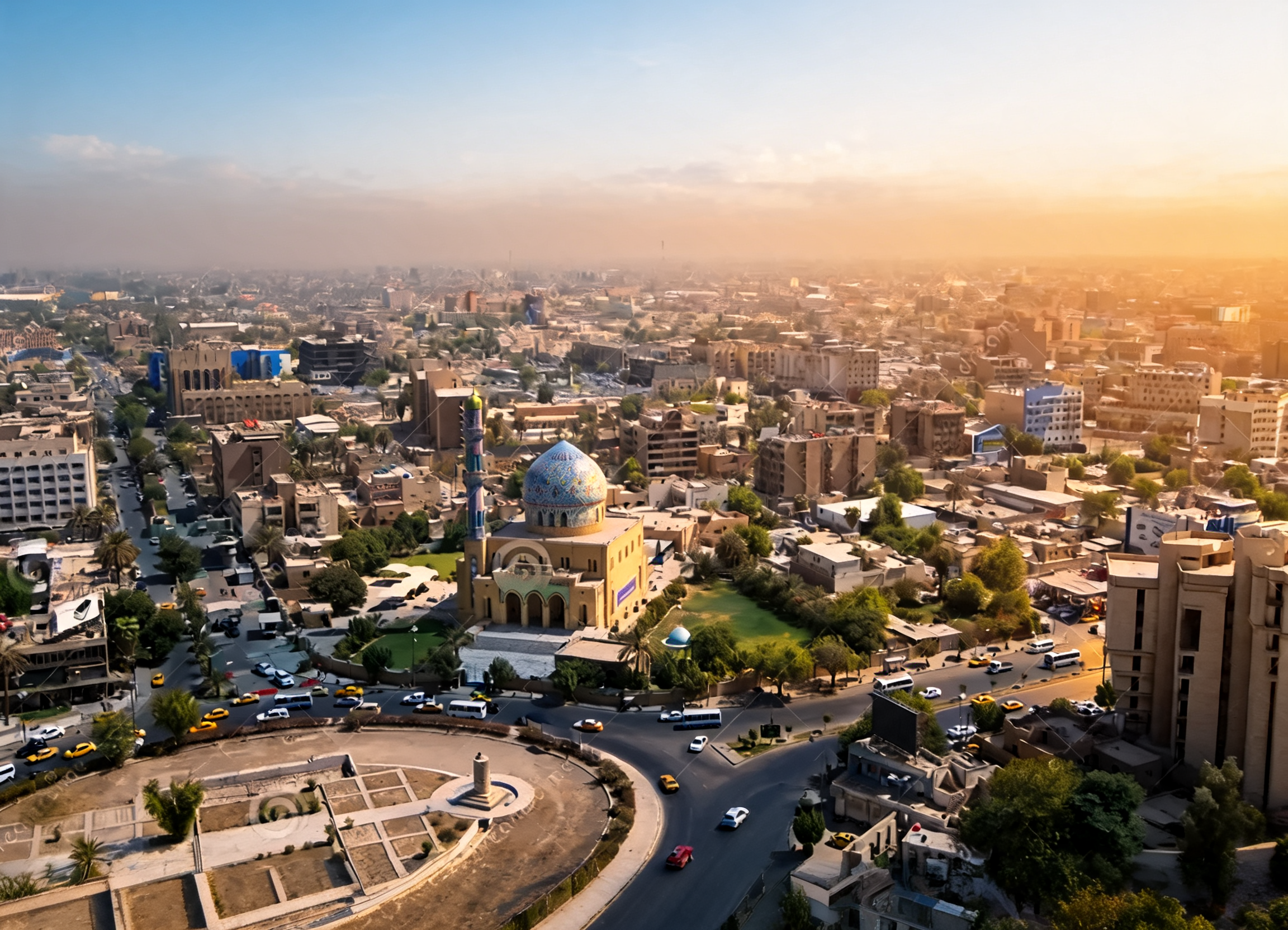
If you're visiting Baghdad, you'll quickly notice its familiar yellow taxis.
They're part of the city's everyday rhythm, sharing busy streets with private cars, buses, and people making their way through the capital.
For visitors, taxis and arranged drivers are among the options for travelling between places that are too far apart to walk.
But not every journey needs a car.
Some of Baghdad's most interesting places are best discovered on foot, especially within historic streets and cultural neighbourhoods.
The important thing is knowing when to walk and when to arrange transport.
Using Taxis and Ride Apps
You'll find taxis in major Iraqi cities, although how they're booked and how fares are arranged can differ.
Some drivers operate independently, while others work through taxi companies or ride-booking services.
Iraq also has locally developed transport apps.
Services such as Baly offer app-based city transport and other mobility options, while Al-Watani Taxi is an initiative developed through Iraq's Ministry of Transport.
Availability depends on the city and operating area, so it's worth checking which services are active where you're staying.
If you're arranging a taxi directly, establish the fare or method of payment before beginning the journey.
For an app-based service, review the vehicle, driver details, pickup point, and displayed price before confirming.
It's also helpful to save your destination in Arabic or Kurdish where appropriate.
An address written in the local language can sometimes make communication much easier.
Travelling Between Cities
Iraq's cities are connected by a network of roads, but travelling between them requires more planning than simply looking at the distance on a map.
Some journeys are relatively short. Others take you through several governorates, changing landscapes, and different local conditions.
For visitors exploring several destinations, there are generally three main approaches.
A private driver
Arranging a car and driver offers flexibility, especially when your journey involves several places or archaeological sites.
You can agree on the destinations, departure times, stops, and return arrangements in advance.
Shared transport
Shared taxis and minibuses are widely used for travel between cities.
They can be an economical option, although they generally offer less flexibility over departure times and stops.
Domestic flights
For certain longer distances, domestic flights may reduce the time spent travelling by road.
The right choice depends on your route, available services, travel conditions, and the kind of experience you're planning.
Understanding the Iraqi Garaj
One useful word to know is garaj (كراج).
In Iraq, a garaj is commonly understood as a transport station or departure area where shared taxis, minibuses, and other vehicles gather.
These stations connect towns and cities across different parts of the country.
Unlike an airport, a garaj doesn't necessarily operate according to a fixed timetable.
Some shared vehicles depart when enough passengers have arrived.
That means you may need to wait before leaving.
If you're using shared transport, first establish which station serves your destination. A city may have more than one garaj, with different departure points for different routes.
Once there, confirm the destination, fare, luggage arrangements, and where the vehicle will stop.
For someone unfamiliar with the system, a little local assistance can make the experience much easier.
And because operators, fares, and departure points can change, it's better to confirm the details shortly before travelling than rely entirely on an old online guide.
Travelling With a Private Driver
If you're planning to explore several places in one day, a private driver can make the logistics simpler.
Imagine beginning in Baghdad, visiting an archaeological site outside the city, and returning later in the afternoon.
Rather than arranging separate transport at every stop, you can agree on the journey beforehand.
This can be especially useful when visiting places outside busy urban centres, where return transport may be less readily available.
Before setting off, confirm what's included.
Does the arrangement cover a return journey? Is the driver expected to wait while you explore? Are fuel, parking, and other expenses included in the agreed price?
It also helps to agree on a realistic departure time and the places you intend to visit.
A good route leaves enough time to enjoy each destination without spending the entire day watching the clock.
Domestic Flights in Iraq
Flying can be worth considering when travelling between distant regions.
Iraq has several airports serving domestic and international passengers, including Baghdad, Erbil, Basra, Najaf, and Sulaymaniyah.
Iraqi Airways has operated domestic connections linking Baghdad with destinations such as Erbil, Sulaymaniyah, and Basra.
However, flight schedules and route availability can change.
Before building your itinerary around a domestic flight, confirm that the service operates on your intended date, check the baggage rules, and allow sufficient time for airport procedures.
Remember that the flight itself is only part of the journey.
You'll also need to consider how long it takes to reach the airport and travel onward after landing.
For some routes, road transport may offer a more practical option. For others, flying can be useful.
It depends on the journey you're planning.
What About Trains?
A train can suit a confirmed journey between two stations, but it does not include the transfers to your accommodation or stops along the way. If the aim is to visit several places during the journey, compare a vehicle and driver with the complete rail plan, including station transfers. For a rail trip, settle the service, travel date, ticket and onward pickup before booking the rest of the day.
Iraq has a railway history stretching back more than a century.
Passenger rail services still operate on selected routes, although the network is limited compared with road transport.
The Baghdad to Basra railway is the country's best-known long-distance passenger connection.
Its operation has experienced interruptions and resumptions, so travellers should confirm that the service is running and verify departure times before making plans.
Rail travel can offer a different way to experience the country, but it isn't currently a practical replacement for road transport across most destinations.
For a broader journey, it's better to treat trains as a specific option to investigate rather than assume every major city is connected by passenger rail.
Exploring Baghdad
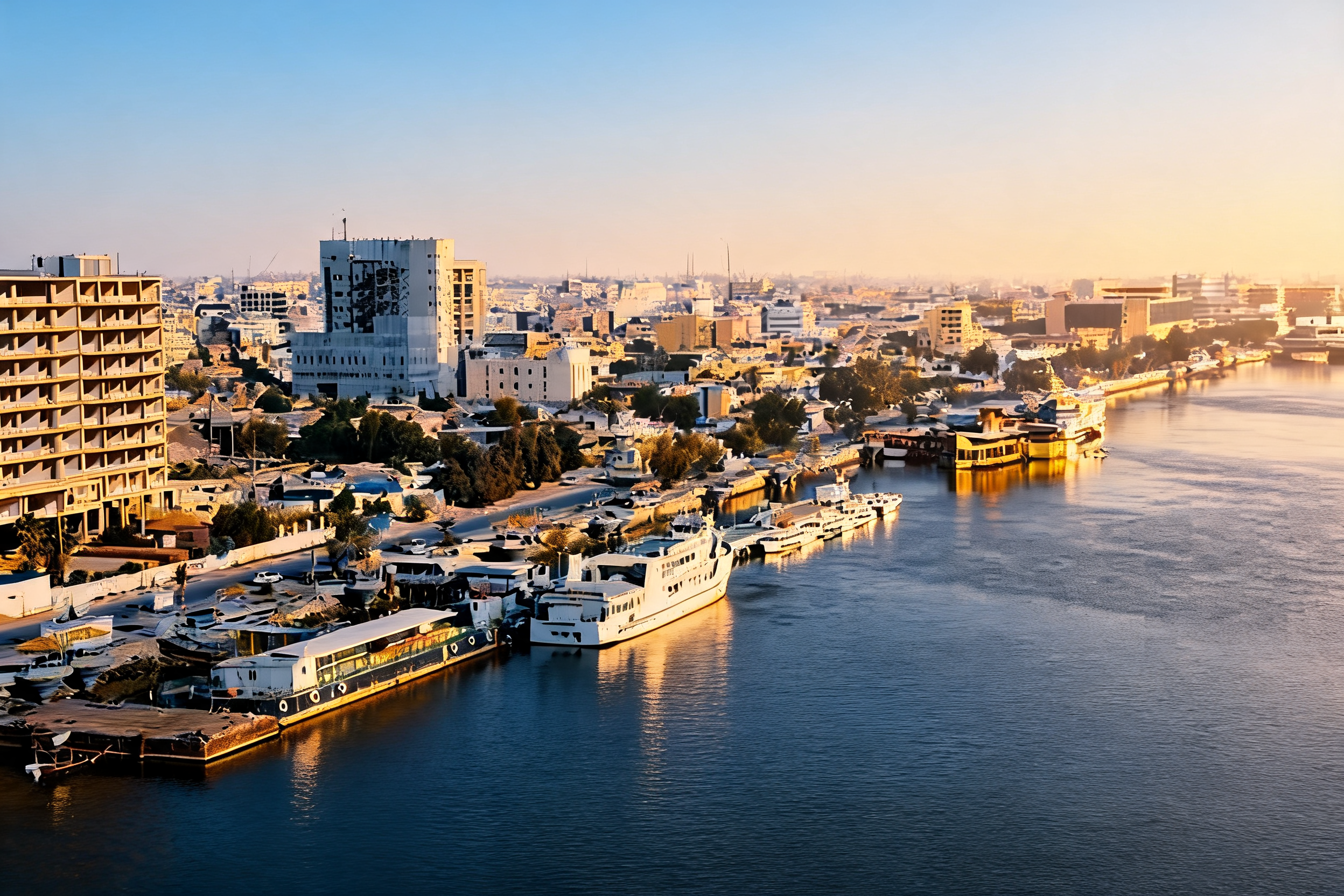
Baghdad is a large city, and its neighbourhoods can feel quite different from one another.
A day around Al-Mutanabbi Street might include the book market, Shabandar Café, Al-Qishla, and nearby cultural spaces.
These places can be explored together with a carefully planned walking route.
But travelling from one side of Baghdad to another is a different experience.
Traffic can be heavy, particularly around major intersections, bridges, and busy commercial areas.
It's sensible to organize your day by neighbourhood rather than crossing the city repeatedly.
Spend time getting to know one area before moving to another.
You may discover more by slowing down than by trying to visit every landmark in a single afternoon.
Exploring Erbil and the North
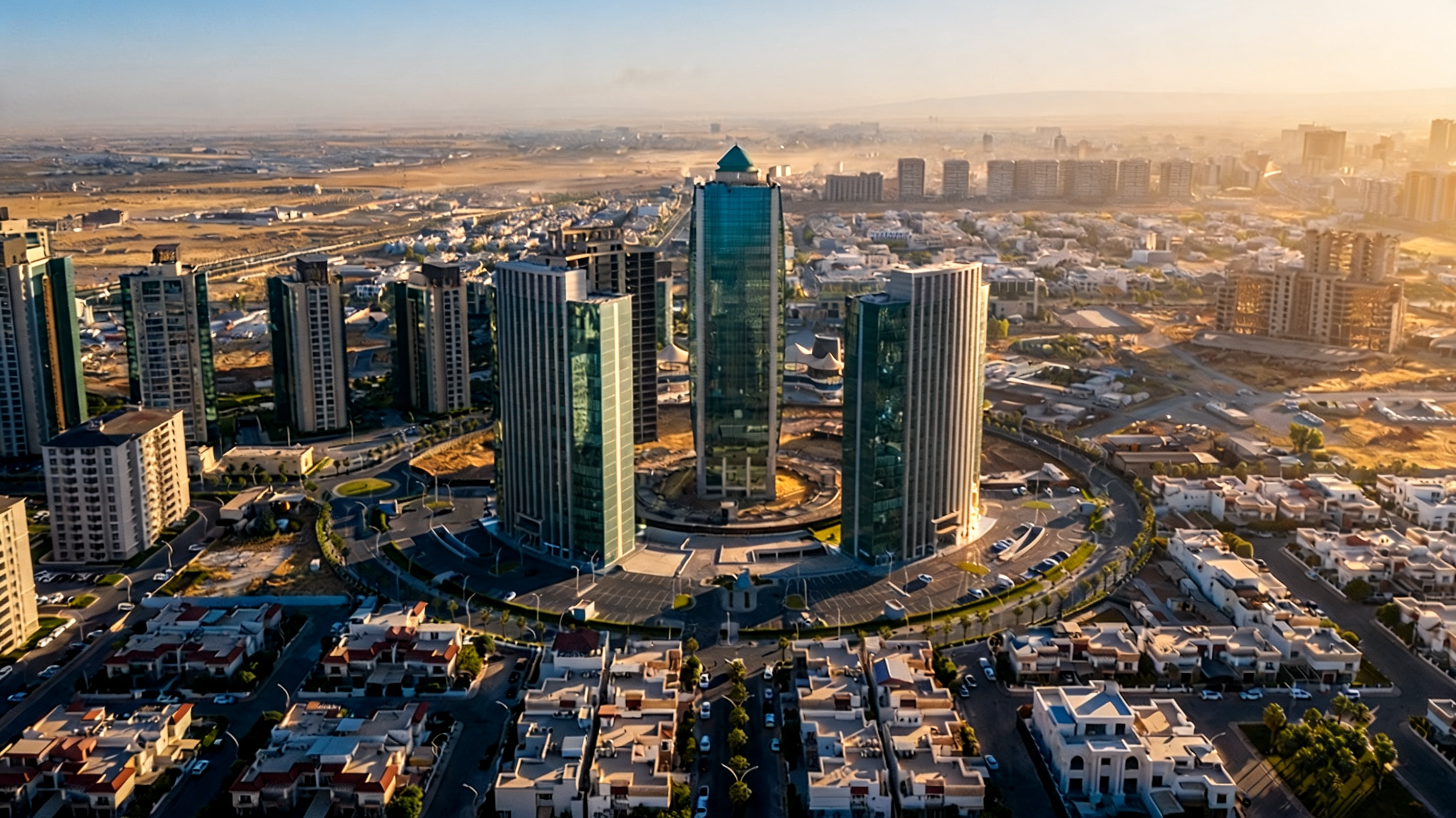
Erbil is another useful starting point for discovering Iraq.
Within the city, visitors can explore places such as the historic Citadel and Qaysari Bazaar.
Beyond Erbil, the landscape changes as roads lead towards mountain towns, valleys, villages, and viewpoints.
Places around Duhok, Soran, Rawanduz, and Amedi each offer different experiences.
Some mountain roads are winding, and travel conditions can change with the season.
In winter, snow and poor weather can affect access to higher areas.
If you're exploring beyond the main cities, plan the route with someone who understands the local roads and current conditions.
And don't try to cover the entire region in a day.
The journey deserves time, too.
Visiting Ancient and Rural Places
Many of Iraq's archaeological landmarks are located outside modern city centres.
Places such as Babylon, Ur, and other historic sites may require dedicated transport arrangements.
A city taxi isn't necessarily the best option for a longer visit if you haven't agreed on the return journey.
Before travelling, find out whether the site is open to visitors, how access is arranged, and whether photography or other restrictions apply.
Some places may require permission or have particular visiting arrangements.
In rural areas, mobile connectivity and transport availability can also be different from what you're used to in a major city.
Make sure you understand how you'll return before beginning your visit.
Travelling Between Federal Iraq and the Kurdistan Region
If your journey includes both Baghdad and the Kurdistan Region, there are a few additional details to consider.
Travel permissions are important.
A visa issued specifically for the Kurdistan Region does not automatically authorize travel into the rest of Iraq.
You should understand which entry permission applies to your full route before beginning the journey.
Road travel can also involve identification checks and other procedures.
Carry your passport and relevant travel documents, follow instructions at official checkpoints, and allow time for any necessary checks.
Requirements and access arrangements can change, so it's important to verify the situation for your intended destinations.
The purpose of planning these details is simple: to understand the journey you're actually making.
A Few Things Worth Knowing Before You Set Off
Plan around real travel conditions.
Traffic, weather, road conditions, official checkpoints, and local events can affect travel. Some routes carry serious security risks, and road accidents are also a significant concern. Check current conditions and whether a route is appropriate before deciding to travel.
Carry your documents.
Keep your identification and relevant travel permissions accessible, particularly when travelling between cities or regions.
Don't assume every transport service runs to a fixed timetable.
Confirm shared transport departures, domestic flights, and train services before making connections.
Keep important details offline.
Save your destination addresses, accommodation information, and relevant contact numbers.
Allow time between activities.
There's no reason to turn every day into a race between landmarks.
And when you can, give yourself a little room for the places you hadn't planned to discover.
The Journey Is Part of the Story
Getting around Iraq isn't only about moving from one destination to another.
It's also about what you discover along the way.
The landscape beyond the city. A roadside tea stop. A market you hadn't heard about. The different sounds, accents, and rhythms that begin to change as you travel.
These are the details that make each part of Iraq distinct.
Whether you're exploring one neighbourhood or planning a journey across several regions, understanding how to move around helps you spend more time enjoying the places you came to discover.
Visit Iraq can arrange a driver for the stretches you want covered and agree on pickup points around the parts you prefer to explore on foot.