Health and Medical Care in Iraq: A Traveller's Guide
Preparing for a visit to Iraq? Learn about medical care, pharmacies, travelling with medication, drinking water, and staying well throughout your journey.
By Visit Iraq · Published · 11 min read

There are a few things worth preparing before any journey, and your health is one of them.
You may be planning long days exploring Baghdad, walking through ancient Babylon, discovering the northern mountains, or spending time in the southern Marshes.
Each place offers a different experience. And each can come with different practical considerations, from the weather to the availability of medical services.
Most of the preparation is straightforward.
Know where you can find help, bring the medication you need, understand the local conditions, and give yourself enough time to enjoy your visit.
Here's what to know about staying well in Iraq.
Before You Leave Home
A little preparation can make travelling much easier.
If you have a medical condition, take regular medication, or expect to need particular healthcare services, it's worth speaking with your healthcare professional before departure.
Tell them where you plan to go, how long you'll be away, and what activities you expect to do.
Your preparation may be different if you're planning a city visit, spending time in rural areas, or travelling through the mountains.
Ideally, arrange a travel-health consultation several weeks before departure. A healthcare professional can review your medical history, routine and destination-specific vaccination recommendations, and any preventive measures relevant to your route.
If you're pregnant, travelling with young children, or managing an ongoing medical condition, it is especially useful to plan for the care you might need while away.
You don't need to make travelling complicated.
You just need to prepare for your own circumstances.
Understanding Healthcare in Iraq
Iraq has both public and private healthcare facilities.
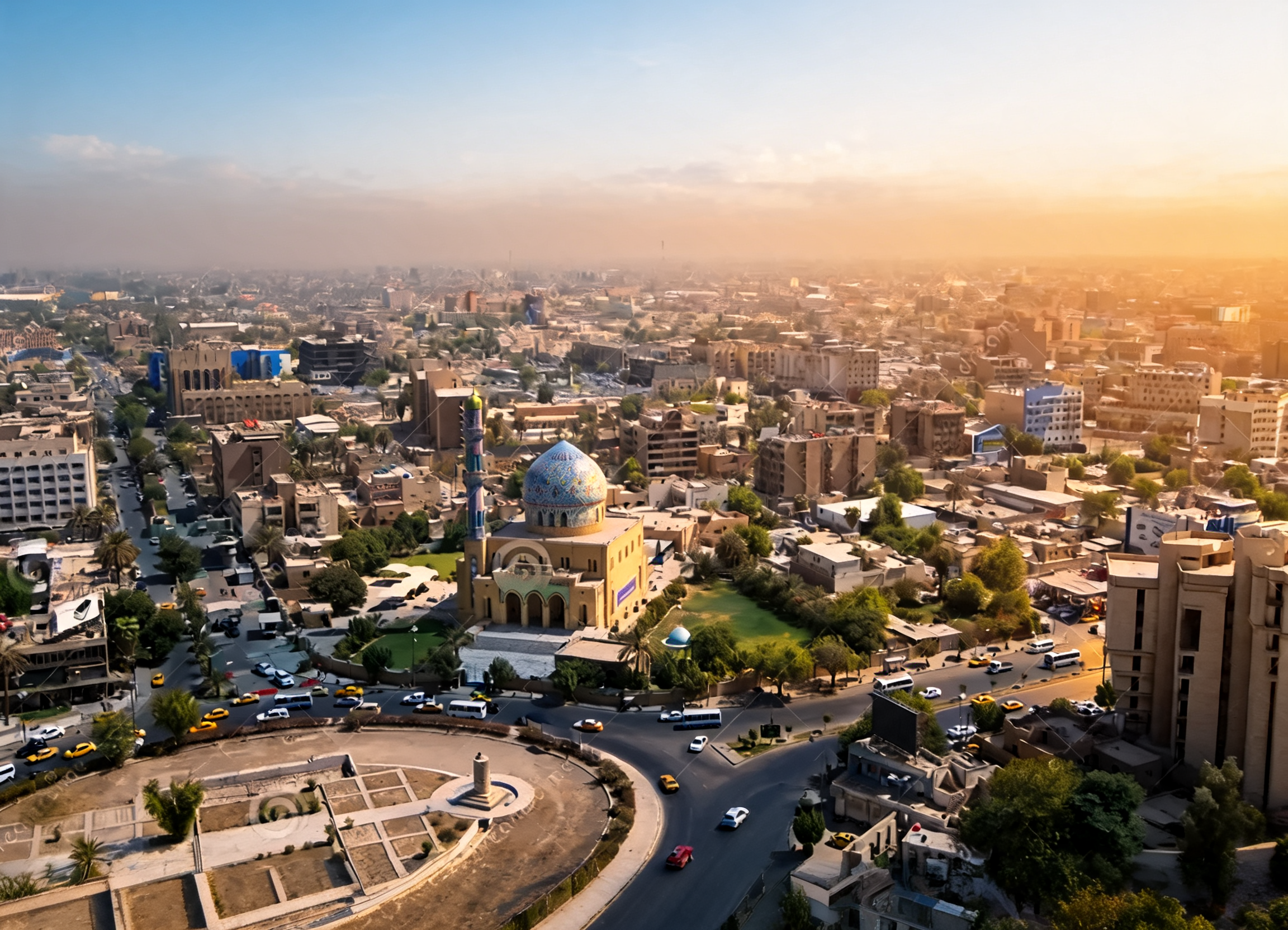
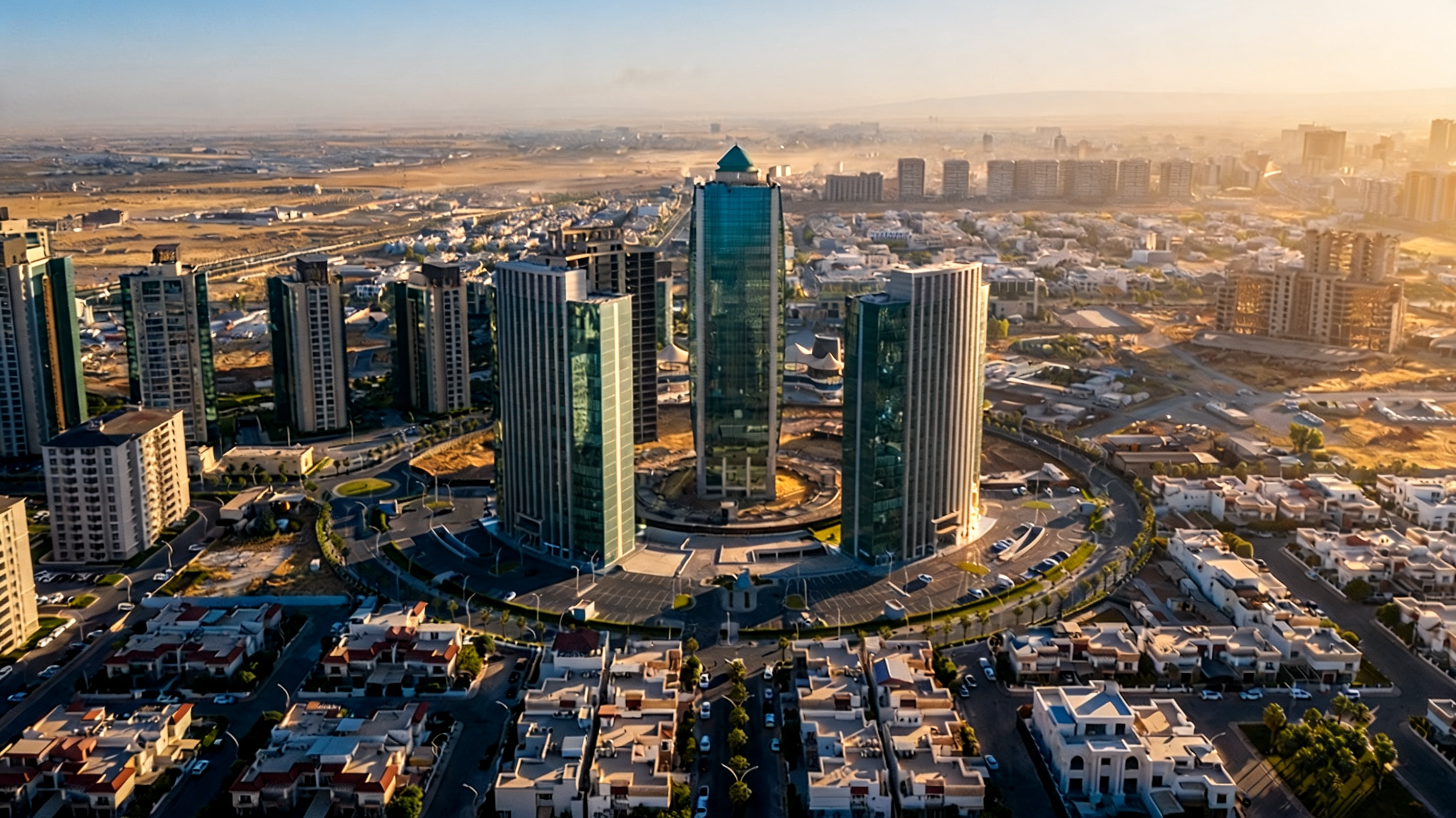
In major cities such as Baghdad, Erbil, and Basra, you'll find hospitals, clinics, medical specialists, diagnostic services, and pharmacies.
Some private hospitals offer a broader selection of services, while public facilities serve large numbers of people across different communities.
However, the availability and standard of treatment can vary significantly between facilities.
Specialist services, equipment, medicines, and emergency care may be limited, particularly outside larger cities.
For serious illnesses or injuries, treatment at another facility or medical evacuation outside Iraq may sometimes be necessary.
If you have a particular medical requirement, identify a suitable provider before travelling rather than assuming every hospital will offer the service you need.
It's also worth checking whether your chosen provider has staff who can communicate in a language you're comfortable using.
Finding a Doctor or Hospital
If you need medical attention during your visit, the right place to go depends on the situation.
For a minor concern, a reputable pharmacy or local medical clinic may be able to advise you on the appropriate next step.
For symptoms requiring a medical assessment, look for a qualified doctor or suitable healthcare facility.
And for a serious emergency, seek immediate medical assistance.
Your accommodation or a trusted local contact may be able to help identify an appropriate facility and assist with directions or communication.
But for an urgent medical problem, don't delay obtaining professional care while looking for recommendations.
Keep the name, address, and contact details of a suitable hospital near your accommodation.
If you're travelling between cities, update that information for each destination.
A few saved addresses can be very useful when you need them.
What About Pharmacies?
Pharmacies are a familiar part of everyday life in Iraqi cities.
You'll find them in residential neighbourhoods, commercial streets, and near healthcare facilities.
Many provide common medicines and other health products.
However, availability varies, and you shouldn't assume that the exact brand or prescription product you use at home will always be available.
If you need medication while travelling, use an established, licensed pharmacy.
Check the medicine's name, active ingredients, strength, expiry date, and packaging.
Counterfeit or improperly stored medicines are a recognized concern, so avoid purchasing medicines from informal sellers or unfamiliar sources.
If you need a replacement for a prescription medicine, consult a qualified medical professional rather than choosing a substitute yourself.
Two products with similar names don't necessarily contain the same ingredients or doses.
Bringing Your Own Medication
If you take medication regularly, plan ahead.
Bring enough of your prescribed medicine for your intended stay, with an appropriate allowance for possible travel delays where legally permitted.
Keep it in its original labelled packaging, and carry a copy of your prescription.
It's also useful to have a medical letter listing the generic names of your medicines, their dosages, and why they are required.
Certain medicines require special attention.
Iraq places restrictions on the importation of controlled medicines, including some painkillers, sedatives, and other prescription drugs.
A medicine legally prescribed in another country isn't necessarily permitted to enter Iraq under the same conditions.
Some products require advance authorization, specific medical documentation, or customs declaration, while others may be prohibited.
Check the rules for your exact medication before departure, even if you have a prescription.
If your medication must be kept refrigerated, arrange a suitable way to maintain its required temperature during your journey.
And keep essential medicines in your cabin baggage, subject to airline and security rules, rather than relying entirely on checked luggage.
Drinking Water in Iraq
One practical habit worth establishing is knowing where your drinking water comes from.
Water quality varies between locations in Iraq, and tap water shouldn't automatically be considered safe for drinking.
Use water from a verified safe supply, such as properly treated water or factory-sealed bottled water.
If you prefer bringing your own reusable bottle, you can refill it from a source you know is safe.
When water safety is uncertain, use appropriately treated water for drinking and other activities where water may be swallowed.
This includes preparing certain drinks or washing foods that will be eaten raw.
Ice can also be made from untreated water, so ask when you're unsure.
In places where safe water isn't readily available, boiling or correctly treating water can reduce the risk of infections, although some chemical contaminants require a different solution.
These are straightforward precautions, especially when travelling between cities and rural areas.
Enjoying Iraqi Food Comfortably
Food is one of the great pleasures of discovering Iraq.
From kahi and gaymar in the morning to masgouf beside the river, there are countless dishes worth trying.
You don't need to avoid local food to look after your health.
Pay attention to how meals are prepared and stored.
Food that has been thoroughly cooked and served hot is generally a safer choice than food left at an unsuitable temperature.
Wash your hands before eating and choose reliable drinking water.
Raw produce should be washed using safe water, and dairy products should be properly pasteurized and stored.
If you have food allergies, explain them clearly before ordering. A translated allergy card can be particularly helpful when you're unsure whether the person preparing your meal understands your requirements.
And if you develop vomiting or diarrhoea, replace lost fluids and seek medical advice when symptoms are severe, persistent, or accompanied by warning signs such as blood in the stool or dehydration.
Being sensible about food preparation helps you enjoy what you came to discover.
Preparing for Iraq's Summer Heat
Iraq's weather changes considerably throughout the year.
In Baghdad and much of southern Iraq, summer temperatures can become extremely high.
When the weather is hot, long outdoor activities are best arranged around the cooler parts of the day.
If you're planning to explore archaeological sites such as Babylon or Ur, remember that many areas have limited shade.
Bring drinking water, wear comfortable lightweight clothing, use sun protection, and take regular breaks somewhere cool.
It's important to recognize the signs that your body is struggling with the heat.
Heavy sweating, dizziness, nausea, headache, and unusual weakness can be signs of heat exhaustion.
Stop the activity, move to a cooler place, and seek medical attention if symptoms are significant or do not improve.
Confusion, loss of consciousness, seizures, or severe overheating may indicate heatstroke, which is a medical emergency requiring immediate help and rapid cooling.
Don't try to push through serious symptoms simply because you have an itinerary to finish.
The places will still be there when you're feeling better.
Dust Storms and Air Quality
Another part of Iraq's environment worth understanding is the possibility of dust storms.
These occur at different times of the year and can affect visibility, air quality, transport, and outdoor activities.
People with asthma, allergies, or other respiratory conditions may be particularly affected.
If you're sensitive to dust, discuss your travel preparations with your doctor and bring any prescribed medication or inhalers you may need.
On days with heavy dust or poor air quality, reduce unnecessary outdoor exposure and spend time in a suitable indoor environment.
A properly fitting particulate respirator can offer additional protection when outdoor exposure cannot be avoided, although it won't remove every risk.
It's worth checking local air-quality and weather information before longer outdoor visits.
Sometimes changing the timing of an activity is the simplest solution.
Rural Areas, Animals, and Insect Bites
Travelling outside Iraq's cities introduces different environments.
The northern mountains, farmland, villages, and southern wetlands each have their own landscapes and wildlife.
If you're spending time outdoors, wear clothing suited to the terrain and consider appropriate insect and tick protection.
Avoid handling unfamiliar or stray animals, even when they seem friendly.
Animal bites or scratches should be assessed promptly by a medical professional because treatment may be needed to prevent serious infections.
Tick-borne diseases, including Crimean-Congo haemorrhagic fever, are a relevant health concern in Iraq.
Use an effective insect repellent as directed, check for ticks after outdoor activities, and avoid contact with animal blood or bodily fluids.
The risk of particular infections can vary by location, season, and activity.
For a rural or extended outdoor journey, a travel-health professional can help you understand which precautions apply to your itinerary.
Visiting the Northern Mountains
The mountains of the Kurdistan Region offer experiences quite different from those in Baghdad or southern Iraq.
Depending on the season and elevation, you may encounter cold weather, snow, changing road conditions, and more demanding walking routes.
If you're planning a hike or an excursion into higher terrain, prepare for the specific route.
Bring suitable footwear, warm or waterproof clothing when necessary, and enough water and supplies for the activity.
At higher elevations, altitude-related illness can also become a consideration.
If you're planning demanding activities or travelling to particularly high locations, discuss appropriate preparation with a healthcare professional.
There is no need to treat every mountain visit as a major expedition.
Just make sure your preparation matches the place you're actually going.
Travel Insurance and Medical Arrangements
Before travelling, review the medical coverage offered by your insurance policy.
Check whether it covers treatment in Iraq, hospitalization, emergency transport, and medical evacuation if necessary.
This is especially important because some medical facilities may require payment before treatment, and advanced emergency care is not available everywhere.
Insurance restrictions can also depend on your destination, planned activities, and current official travel warnings.
Don't assume that a general international travel policy automatically covers your entire journey.
If you're travelling with a medical condition or planning activities that carry additional risks, discuss those circumstances with your insurer.
Keep your insurance policy number and emergency assistance contact details accessible.
If you receive treatment, save medical reports, invoices, prescriptions, and other relevant documentation.
These may be needed for follow-up care or an insurance claim.
What if You Need Emergency Medical Help?
The emergency ambulance number in Iraq is 122.
The general emergency number 911 is also listed by official sources.
In an emergency, seek assistance immediately and give your location as clearly as possible.
If you're travelling with someone, ask them to help communicate with the emergency service or medical provider.
Ambulance response times and available equipment can vary, so it's helpful to know the location of a suitable medical facility before you need one.
If you're admitted to hospital, contact your insurer or assistance provider as soon as reasonably possible.
And if you don't speak Arabic or Kurdish, ask a trusted local contact or appropriate interpreter to help ensure important medical information is understood.
For serious symptoms, don't rely on self-diagnosis or delay treatment while arranging ordinary travel plans.
Travelling With Children or Additional Medical Needs
Different travellers have different requirements.
If you're visiting Iraq with children, consider their age, health, and ability to manage long days, hot weather, and changing routines.
Bring essential supplies and any prescribed medication they need.
For older travellers and people with disabilities or chronic conditions, it's worth confirming that accommodation, transport, and intended destinations can meet their needs.
If you're pregnant, speak with your healthcare professional about the journey and whether appropriate maternity services would be available if needed.
For anyone requiring regular treatment or specialist equipment, arrange the details before departure.
The goal is to make the journey fit the traveller, rather than expecting every traveller to follow the same plan.
A Few Things to Prepare Before You Go
Your health preparations don't have to be complicated.
Make sure you understand your personal medical needs and the conditions at the places you're planning to visit.
Bring essential medicine, the appropriate documents, and basic first-aid supplies.
Save relevant healthcare and emergency contact information.
Arrange insurance that actually covers your trip.
And give yourself enough time to rest, drink water, eat properly, and enjoy the places you discover.
Sometimes the most useful travel advice is also the simplest.
Take Care of Yourself, and Enjoy Being Here
Discovering Iraq can mean long walks, full days, unexpected conversations, and experiences that take you somewhere new.
It's worth making room for the ordinary things that keep you feeling well.
A good night's sleep.
A proper meal.
Enough water.
A little shade when the afternoon gets hot.
And knowing where to turn if you need help.
Good preparation doesn't have to take anything away from the experience.
It simply gives you more room to enjoy it.
Because the best part of travelling isn't how many places you manage to fit into a day.
It's being present enough to appreciate the ones you visit.
If steps, long drives or time between rest stops affect your trip, Visit Iraq can discuss those practical needs when planning the route.